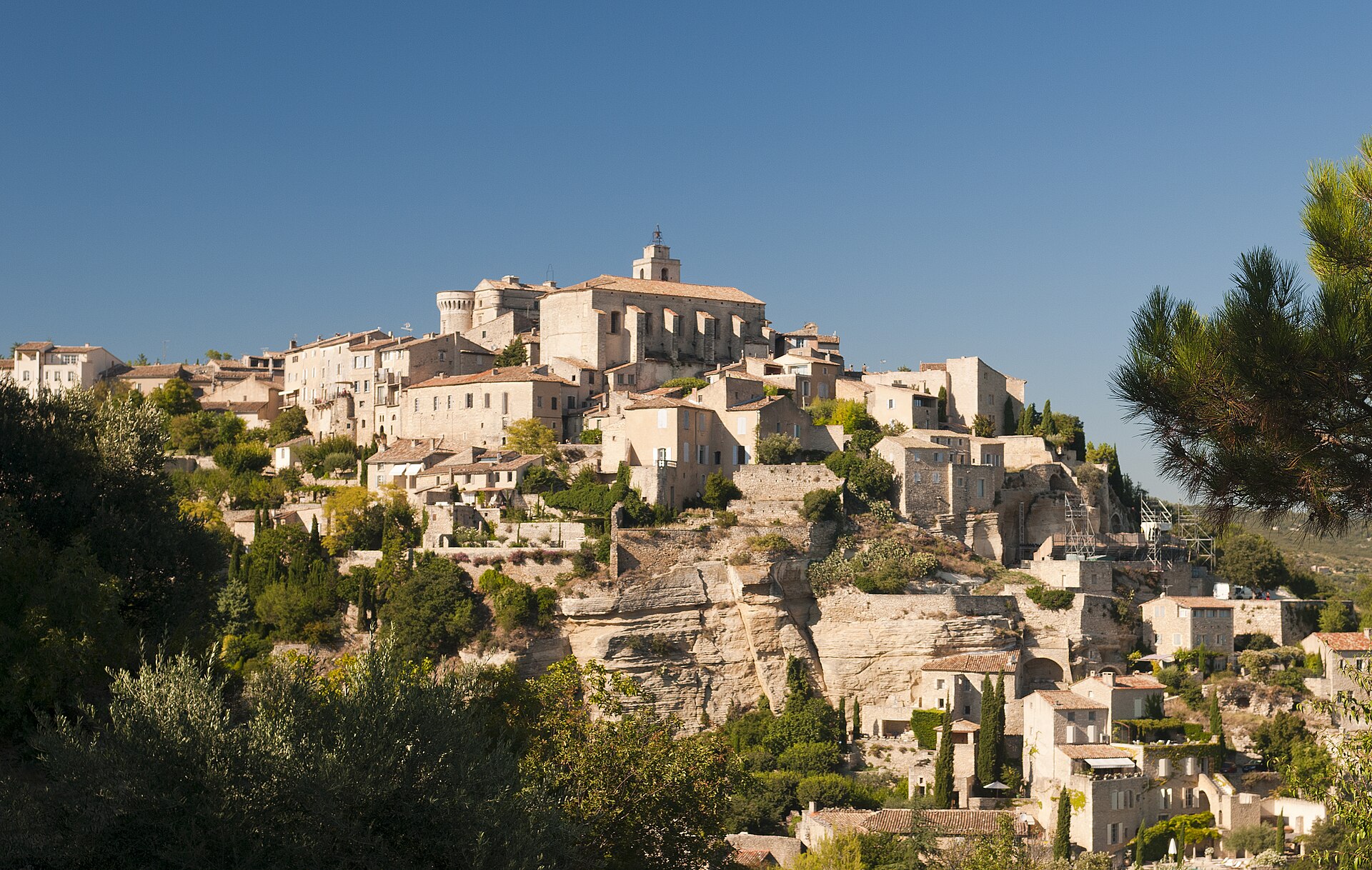
The Loire Valley stretches along France's longest river through a landscape of vineyards, vegetable farms, and Renaissance châteaux that once housed kings and courtiers. UNESCO recognized the valley between Sully-sur-Loire and Chalonnes as a World Heritage site for its living cultural landscape — not frozen museum pieces but towns where people still farm, make wine, and live in villages that happen to contain extraordinary architecture.
Châteaux: Choosing Which to Visit
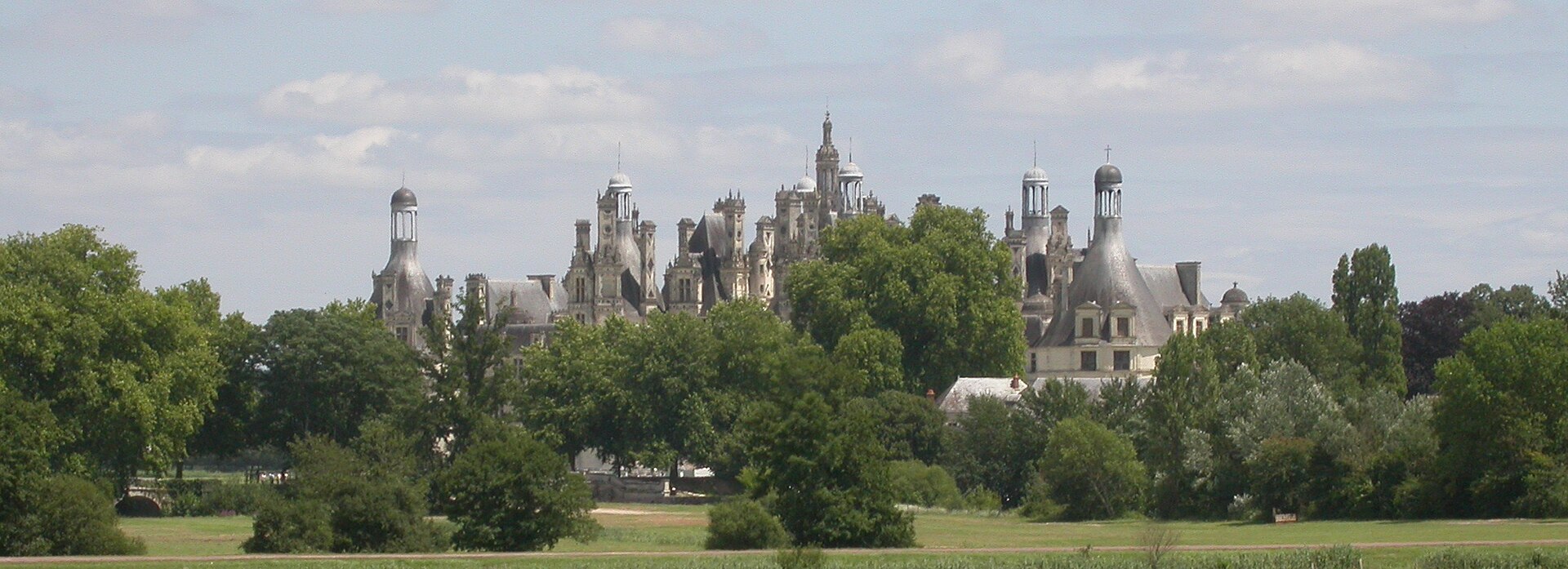
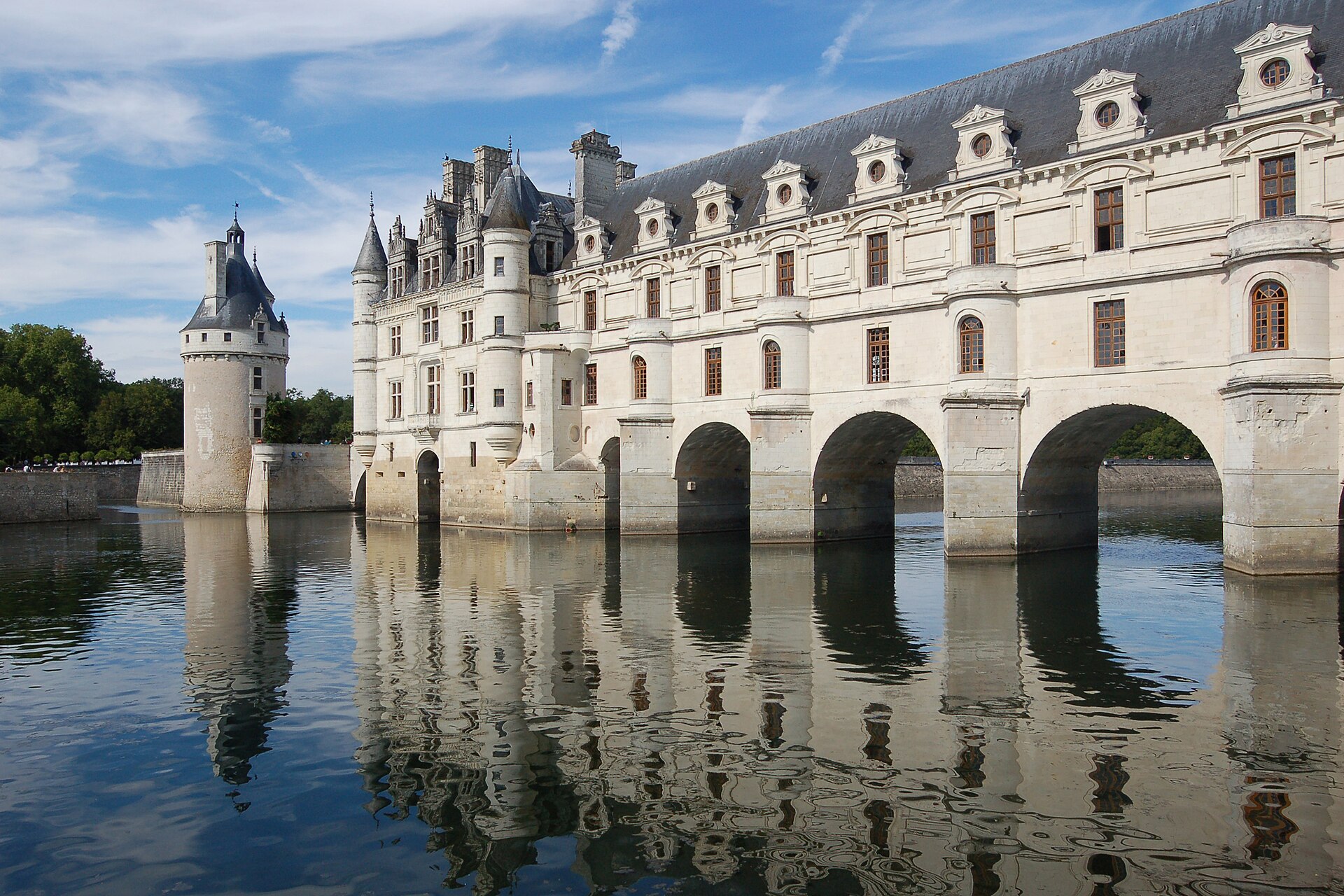
Dozens of châteaux open to visitors. Seeing all of them is impossible and unnecessary. A selective approach works better. Chambord, with its double-helix staircase attributed to Leonardo da Vinci's influence, is the largest and most architecturally ambitious — plan half a day. Chenonceau spans the Cher river on arches and offers gardens worth walking in any season. Amboise combines royal history with a view over the Loire from its terraces.
Smaller châteaux — Azay-le-Rideau, Villandry with its formal gardens, Ussé which inspired Sleeping Beauty imagery — reward visitors who prefer shorter visits and fewer tour buses. Many châteaux host evening light shows in summer; check schedules if that interests you, but daytime visits reveal architectural detail that night programs obscure.
Towns Along the River
Tours serves as the regional hub — a university city with a historic center, markets, and train connections to Paris in about an hour by TGV. Blois offers a château above the river and a walkable old town. Saumur, further west, sits in a wine-producing area known for sparkling wines made by the méthode traditionnelle and for mushroom cultivation in limestone caves.
Orléans, at the eastern end, marks where Joan of Arc lifted the siege in 1429. The city functions as a gateway rather than a primary destination, but its cathedral and riverside promenade make a reasonable stop if passing through.
Wine and Food
Loire wines are among France's most varied by style — crisp Sauvignon Blanc in Sancerre and Pouilly-Fumé, Chenin Blanc in Vouvray (still and sparkling), Cabernet Franc reds in Chinon and Bourgueil. The river's length means microclimates differ substantially; tasting locally matters more than memorizing appellations.
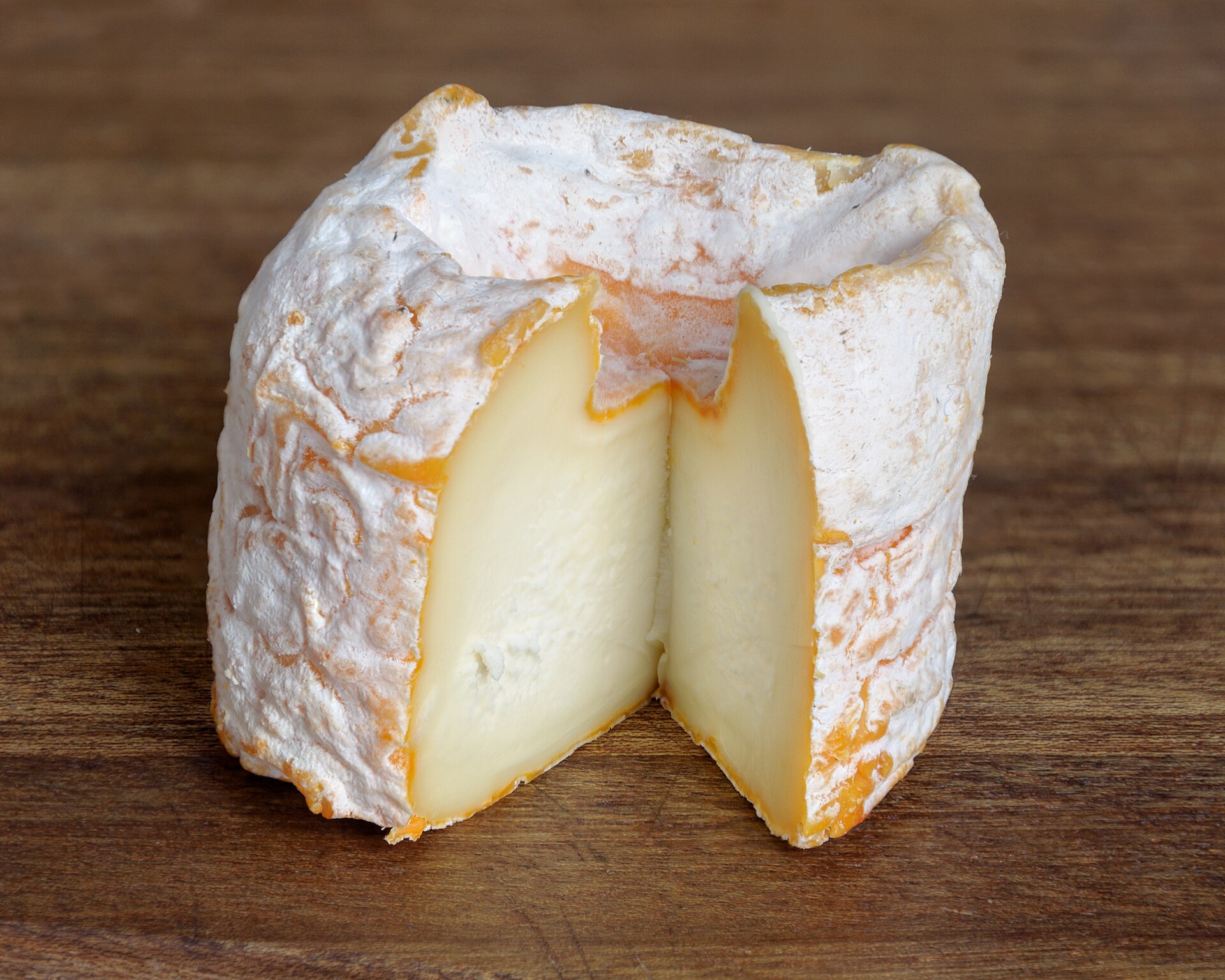
Goat cheese production defines much of the Loire's food identity. Crottin de Chavignol, Sainte-Maure de Touraine, and Valençay appear on cheese plates nationwide but taste different at source. Our cheese guide covers how to buy them; markets in Tours and smaller towns supply direct access to producers.
Regional cooking favors freshwater fish, rillettes, and fruit tarts. The valley's agricultural flatlands produce asparagus in spring and mushrooms from cave farms near Saumur year-round.
Cycling and the River
The Loire à Vélo route follows the river for hundreds of kilometers on largely flat terrain — one of France's most accessible long-distance cycling paths. You need not ride the entire length. Day segments between châteaux, with luggage transfer services if desired, suit casual cyclists. The route passes through vineyards and villages where stopping for a glass of wine requires no justification.
Boat trips on the Loire itself are limited compared with canal regions — the river is wide and sometimes shallow — but tributaries like the Cher and Indre offer calmer paddling and the views Chenonceau is famous for.
Practical Notes
A car helps for château-hopping outside town centers, though trains serve the main cities and some châteaux lie within walking distance of stations. Spring and early autumn balance weather with crowds. August brings vacation traffic; some smaller châteaux reduce hours. Pair planning with our regional overview and slow travel advice — the Loire rewards staying two or three nights in one base rather than nightly moves.
Gardens and Seasonal Visits
Villandry's Renaissance gardens — ornamental kitchen garden, water garden, maze — change character by season and repay repeat visits across spring bloom and autumn harvest colors. Chenonceau spans the Cher with gardens on both banks; morning light before tour groups arrive transforms the reflection in water. Many châteaux host temporary exhibitions inside; check schedules if interior art matters to you as much as architecture.
Winter visits mean fewer tourists and bare trees that reveal structural lines of façades hidden by summer foliage. Some châteaux reduce hours or close certain wings from November through February. Spring flooding occasionally affects riverside paths — the Loire is a living river, not a decorative backdrop, and it still rises after heavy rain upstream.