France reorganized its administrative regions in 2016, merging smaller units into larger ones — Normandy, Occitanie, Grand Est, and others now appear on maps where older names like Languedoc or Alsace once stood alone. Cultural identity did not merge with bureaucracy. People still speak of Alsace, Provence, and Brittany as distinct places with distinct food, architecture, and sometimes language. For travelers, cultural regions matter more than administrative labels on government websites.
North and Northwest
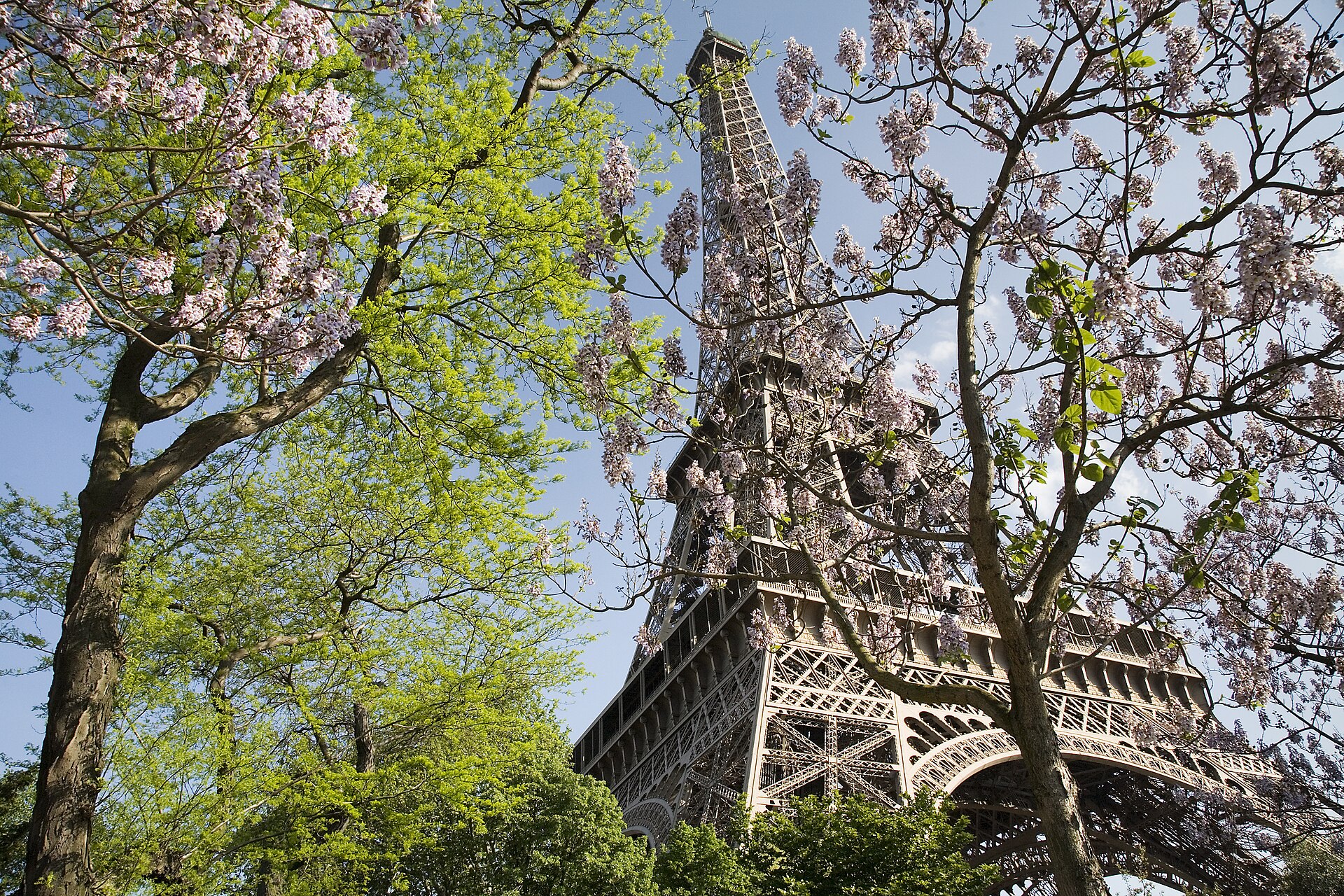
Île-de-France: The Paris region — not only the capital but Versailles, Fontainebleau forest, and suburban towns connected by RER trains. Most first trips pass through here.
Normandy: Coast, dairy country, cider, D-Day history, half-timbered villages. Close to Paris by train. Our Normandy guide covers practical exploration.
Brittany: Atlantic peninsula with Celtic heritage, crêpes, cider, and a distinct Breton language still taught in schools. Rennes is the capital; coastal towns like Dinard and the Carnac stones draw visitors. Cooler and rainier than the south — pack accordingly.
East and Northeast
Alsace: Franco-German border region with wine route villages, Strasbourg, and Christmas market traditions. Detailed in our Alsace guide.
Burgundy: Wine country east of Paris — Dijon as capital, medieval towns, canals, and pinot noir vineyards. Less visually dramatic than Provence but deeply food-and-wine oriented.
Grand Est: The administrative region combining Alsace, Lorraine, and Champagne. Champagne production centers on Reims and Épernay — cellar visits require booking.
Center and Loire
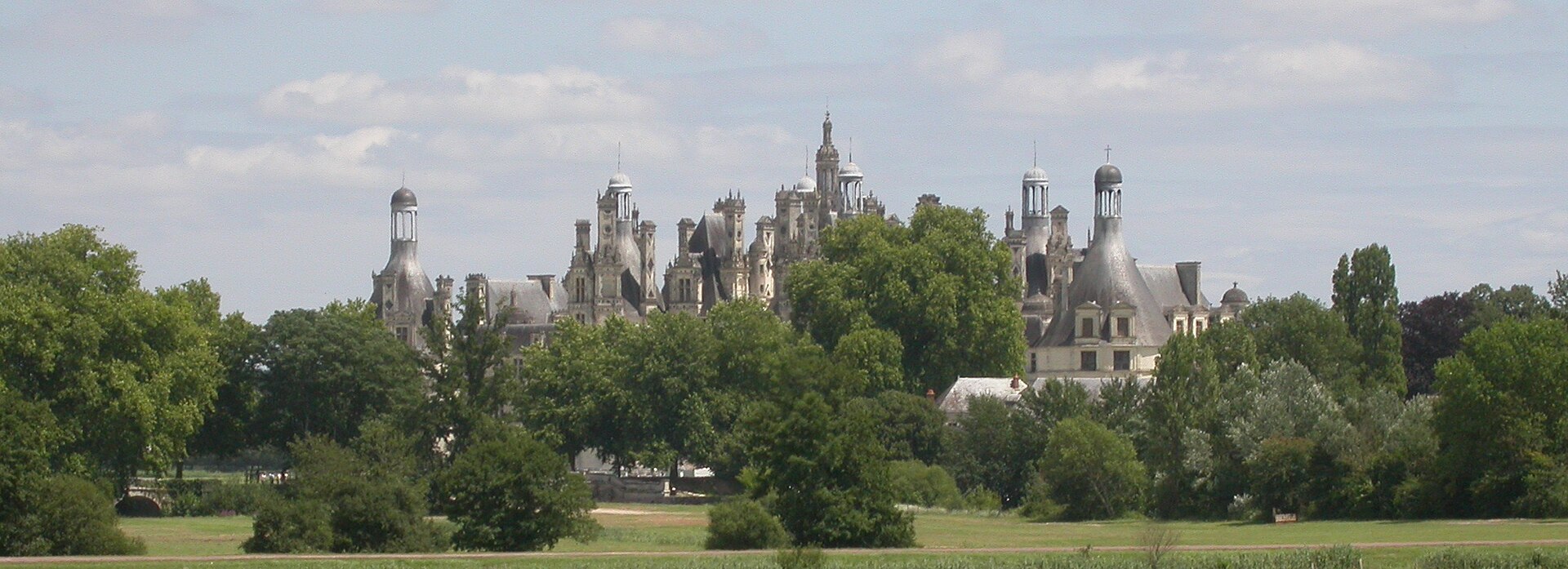
Loire Valley: Renaissance châteaux, river cycling, white wines, goat cheese. Tours and Blois serve as hubs. See our Loire Valley guide.
Central mountains (Massif Central): Auvergne volcanoes, cheese (Cantal, Bleu d'Auvergne), hiking. Undervisited compared with coasts and Paris — suits travelers who want space and lower crowds.
South and Southeast
Provence: Mediterranean south — markets, hill villages, olive oil, rosé wine. Marseille, Aix-en-Provence, Avignon anchor the region. Our Provence guide goes deeper.
French Riviera (Côte d'Azur): Nice, Cannes, Antibes, Monaco border. Beaches, art museums (Matisse and Chagall in Nice), coastal walks. Crowded in summer; mild winters attract retirees and second-home owners.
Occitanie: Large southern region including Toulouse, Carcassonne, and Languedoc wine country. Cassoulet, canal du Midi boating, Cathar castle ruins in hill country.
Southwest and West
Bordeaux and Aquitaine: Wine capital on the Garonne river — elegant eighteenth-century architecture, red wine châteaux in surrounding countryside. Atlantic coast extends to Biarritz and Basque-influenced Bayonne.
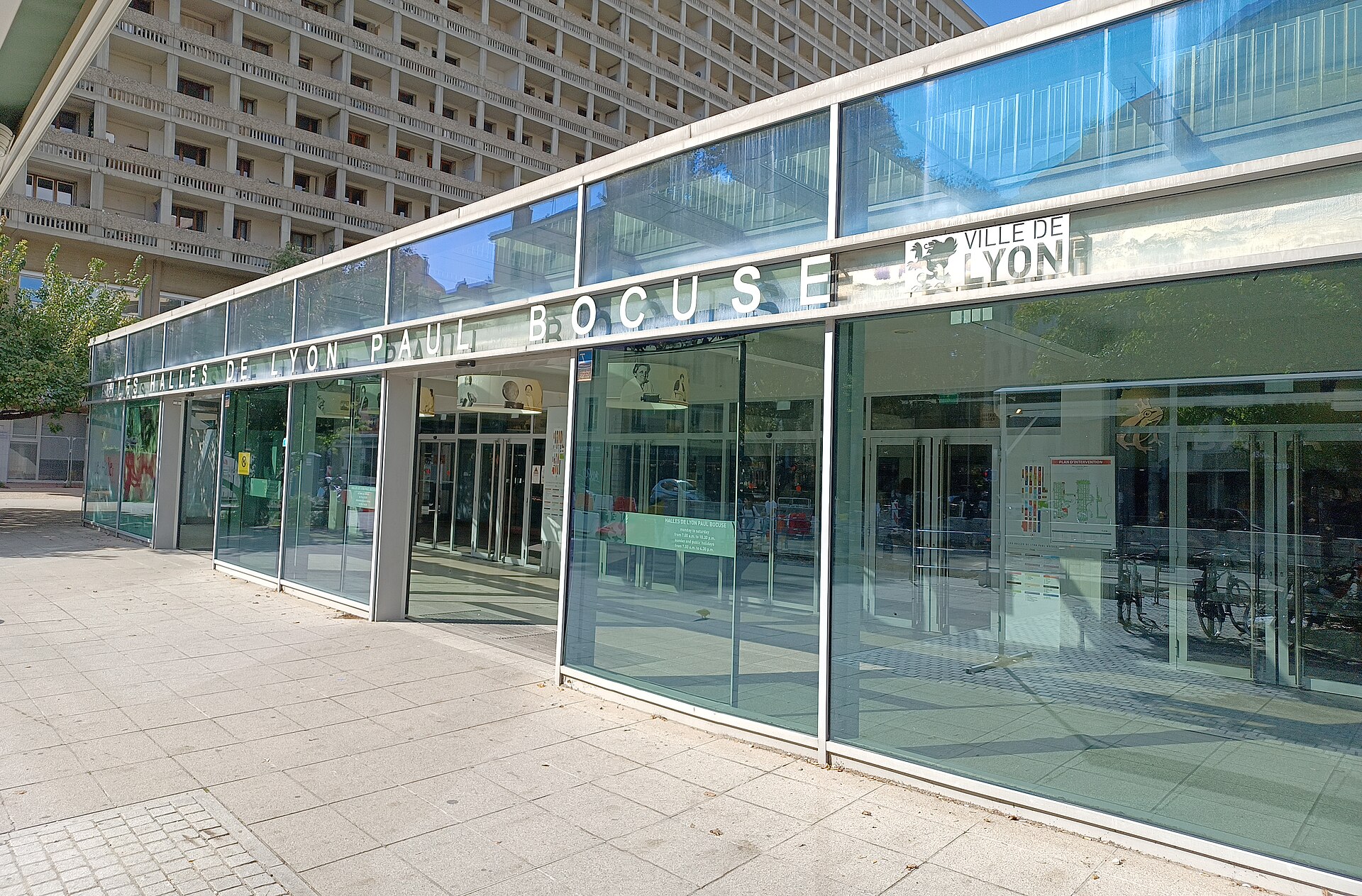
Lyon and Auvergne-Rhône-Alpes: Lyon competes with Paris for serious eating — bouchons (traditional bistros), silk history, position between north and south. Alps access for skiing and summer hiking from Grenoble and Chamonix.
Toulouse: Pink-brick city, aerospace industry, gateway to Cathar country and Pyrenees. Cassoulet origin disputes involve Toulouse and Castelnaudary — both take pride seriously.
How Regions Shape Food
Regional identity expresses most clearly at the table. Butter and cream dominate the north; olive oil the south. Cheese maps overlap with geography — our regional cuisine and cheese guides explain the connections. Markets in each region stock what local agriculture produces; shopping and eating become the same research.
Choosing a Region for Your Trip
Match region to interest and season. Wine-focused trips center on Bordeaux, Burgundy, Alsace, or the Loire. Coast seekers choose Normandy, Brittany, or the Riviera. History draws visitors to Normandy, the Loire, and Occitanie. Food-first travelers often land in Lyon, Provence, or Paris with deliberate side trips.
One region per week remains a reasonable rule. Combine with first-time planning, seasonal timing, and slow travel principles. France rewards return visits — choosing well the first time matters less than choosing honestly what you actually want to see.
Overseas and Border Regions
France includes territories beyond metropolitan borders — Corsica in the Mediterranean with distinct language and cuisine, and overseas departments such as Martinique and Réunion that function administratively as France but sit geographically far from Europe. Metropolitan travelers sometimes overlook Corsica, reachable by ferry from Nice or Marseille or by air from major cities. Mountain spine runs north-south; coastal belts differ on Atlantic and Mediterranean sides.
Border regions — Alsace with Germany, the Basque country with Spain, the Riviera with Italy — share cultural threads with neighbors while remaining administratively French. Understanding these overlaps prevents surprise when menus, architecture, or dialect shift within a single train journey.