Provence occupies a large share of the travel imagination — lavender rows, hilltop villages, olive groves, the pale stone of farmhouses against hard southern light. The reality includes all of that but also traffic on narrow roads in July, water restrictions in dry summers, and towns where tourism supports the economy year-round. Understanding both the image and the logistics makes a trip here more satisfying than chasing photographed viewpoints without context.
Geography and Sub-Regions
Provence is not a formal administrative unit but a cultural region in southeastern France, generally associated with departments including Bouches-du-Rhône, Var, Vaucluse, and parts of Alpes-de-Haute-Provence. The landscape shifts from the Rhône valley floor to the Luberon hills, the Calanques limestone cliffs near Marseille, and the higher plateaus where lavender cultivation concentrates.
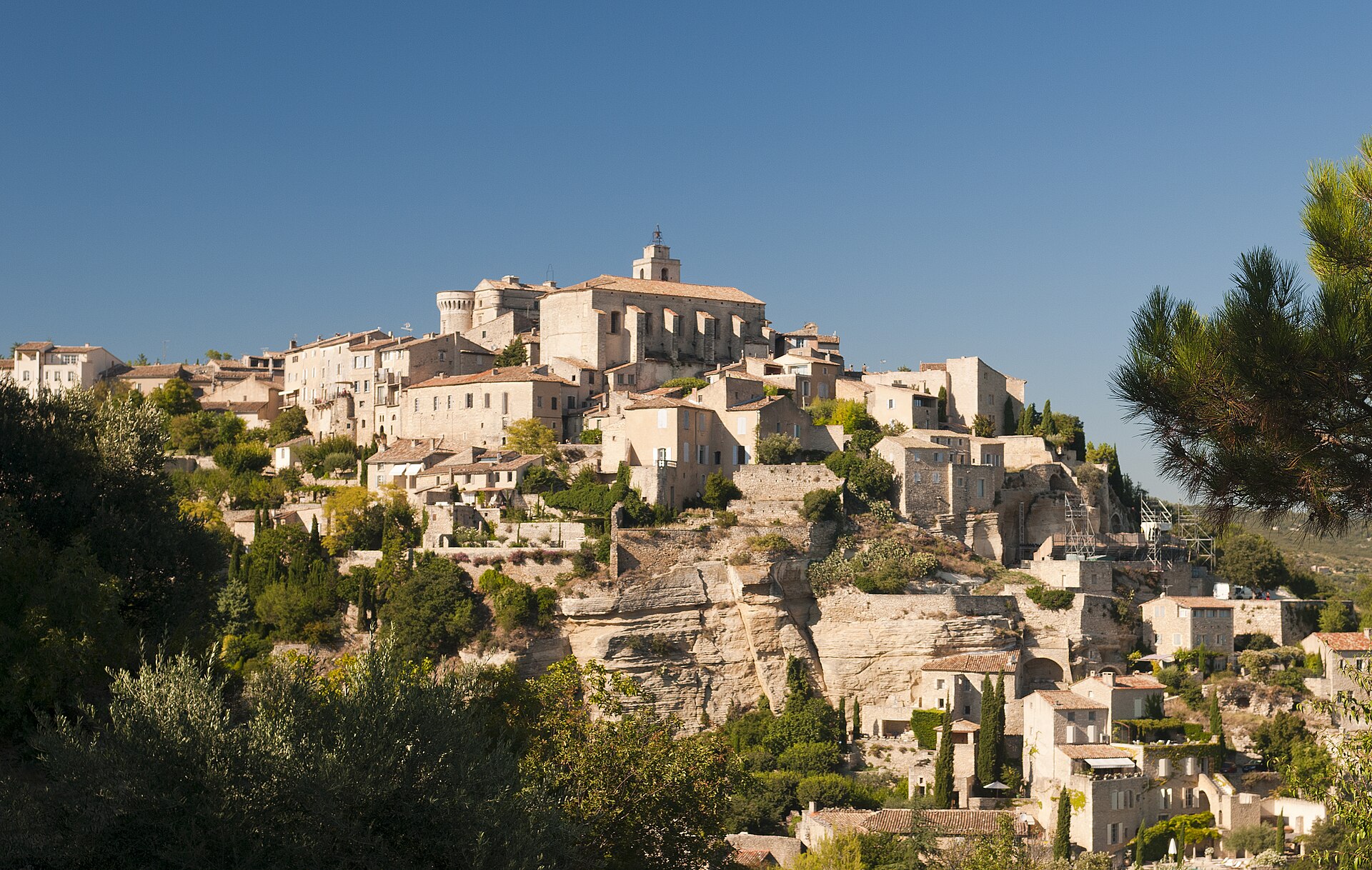
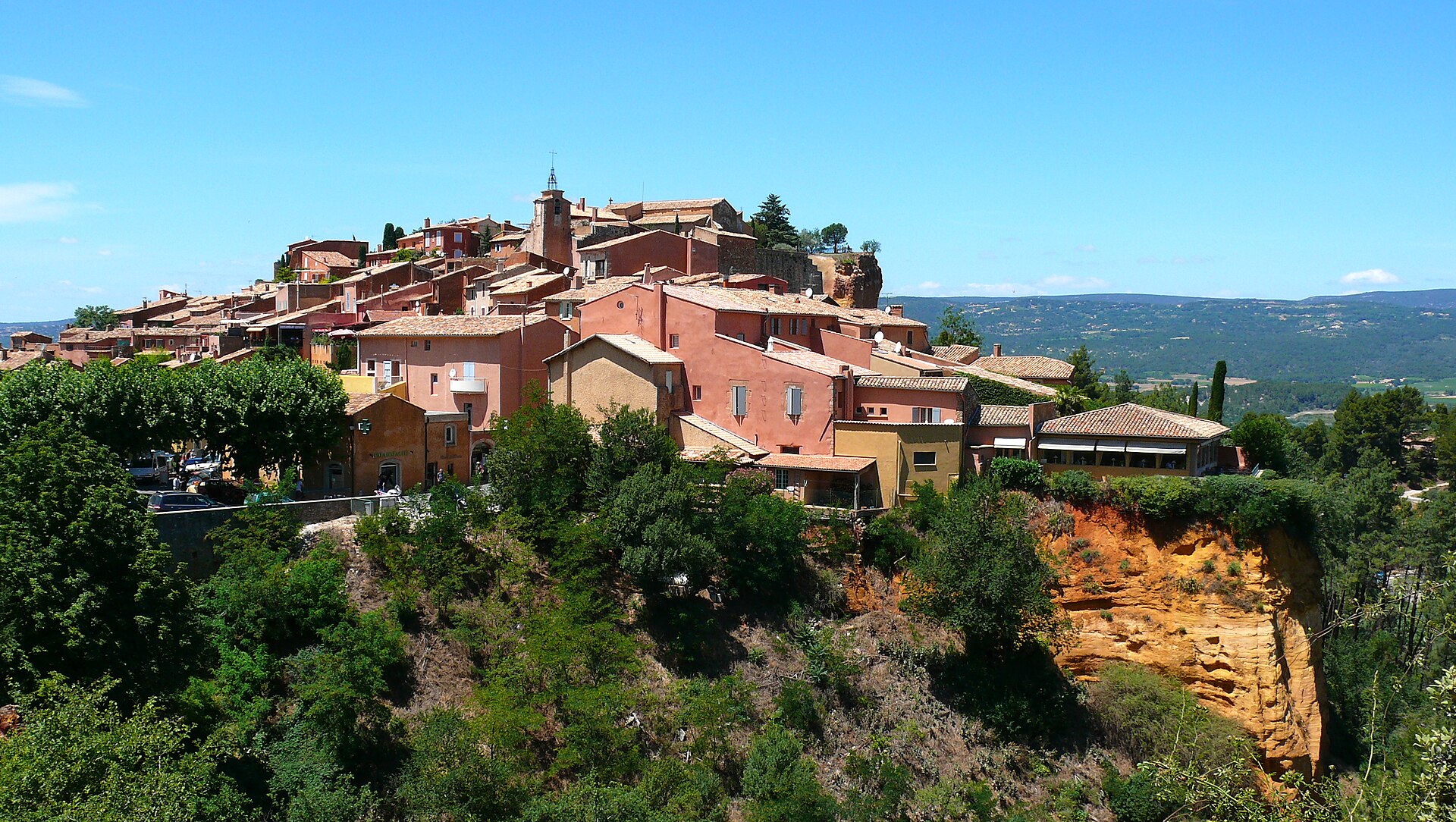
The Luberon draws visitors for villages like Gordes, Roussillon, and Ménerbes — pretty, often crowded in summer. The Alpilles range near Saint-Rémy-de-Provence offers hiking and Roman ruins at Glanum. The Verdon Gorge provides dramatic canyon scenery inland from the coast. Choosing one sub-region and staying several nights beats driving between postcard villages daily.
Markets as Weekly Anchors
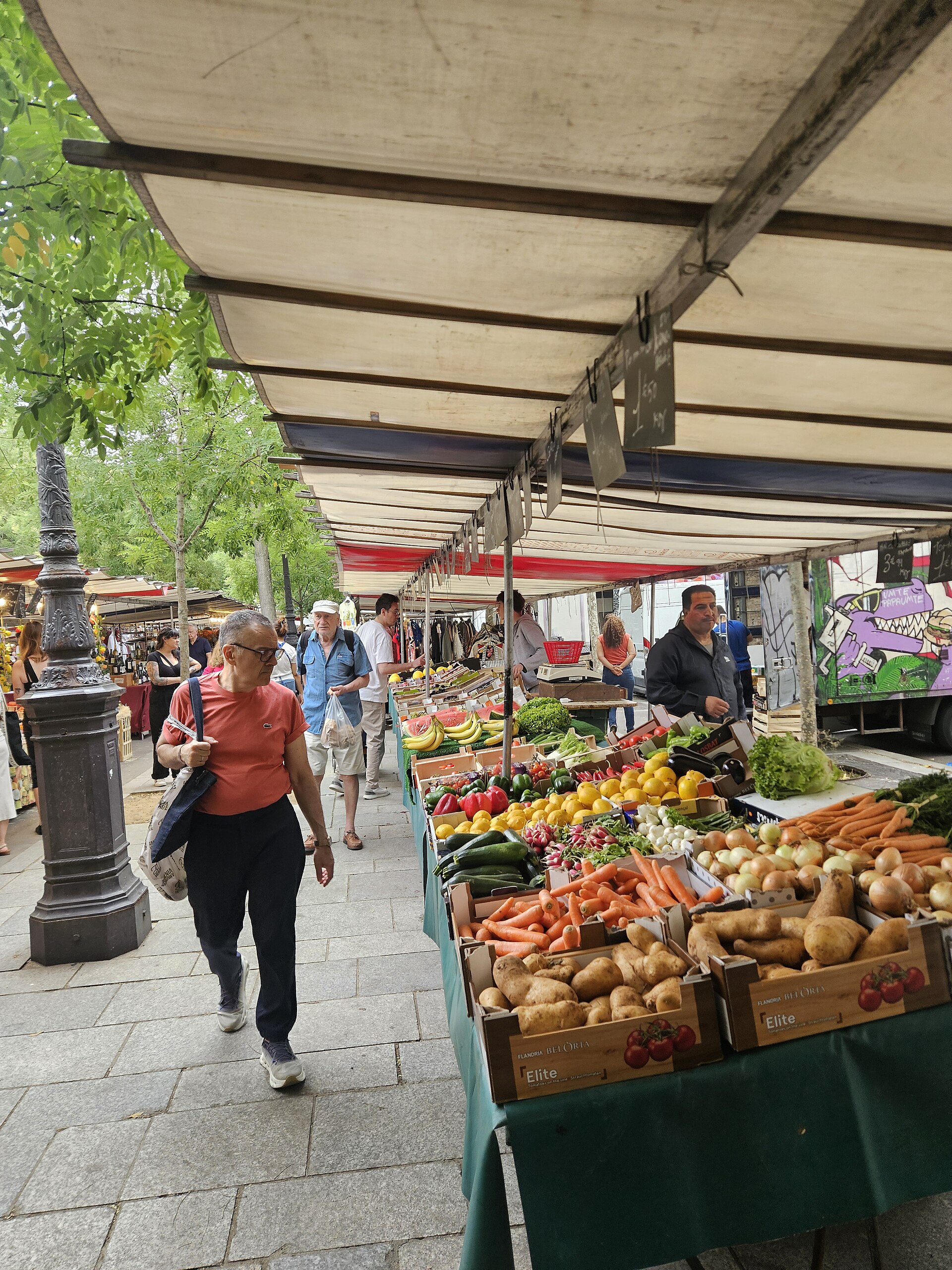
Provence maintains one of France's strongest market traditions. Many towns hold markets on specific days: Apt on Saturday, Aix-en-Provence on multiple days, smaller villages on Tuesday or Friday mornings. These markets supply residents with produce, olives, soap, and fabric — they are not staged for tourists alone, though tourist presence is undeniable in peak season.
Arrive early, as our market guide recommends. Late morning in July means heat, crowds, and picked-over tomatoes. A market visit followed by a picnic under trees embodies the slow travel approach this region rewards.
Food and Drink
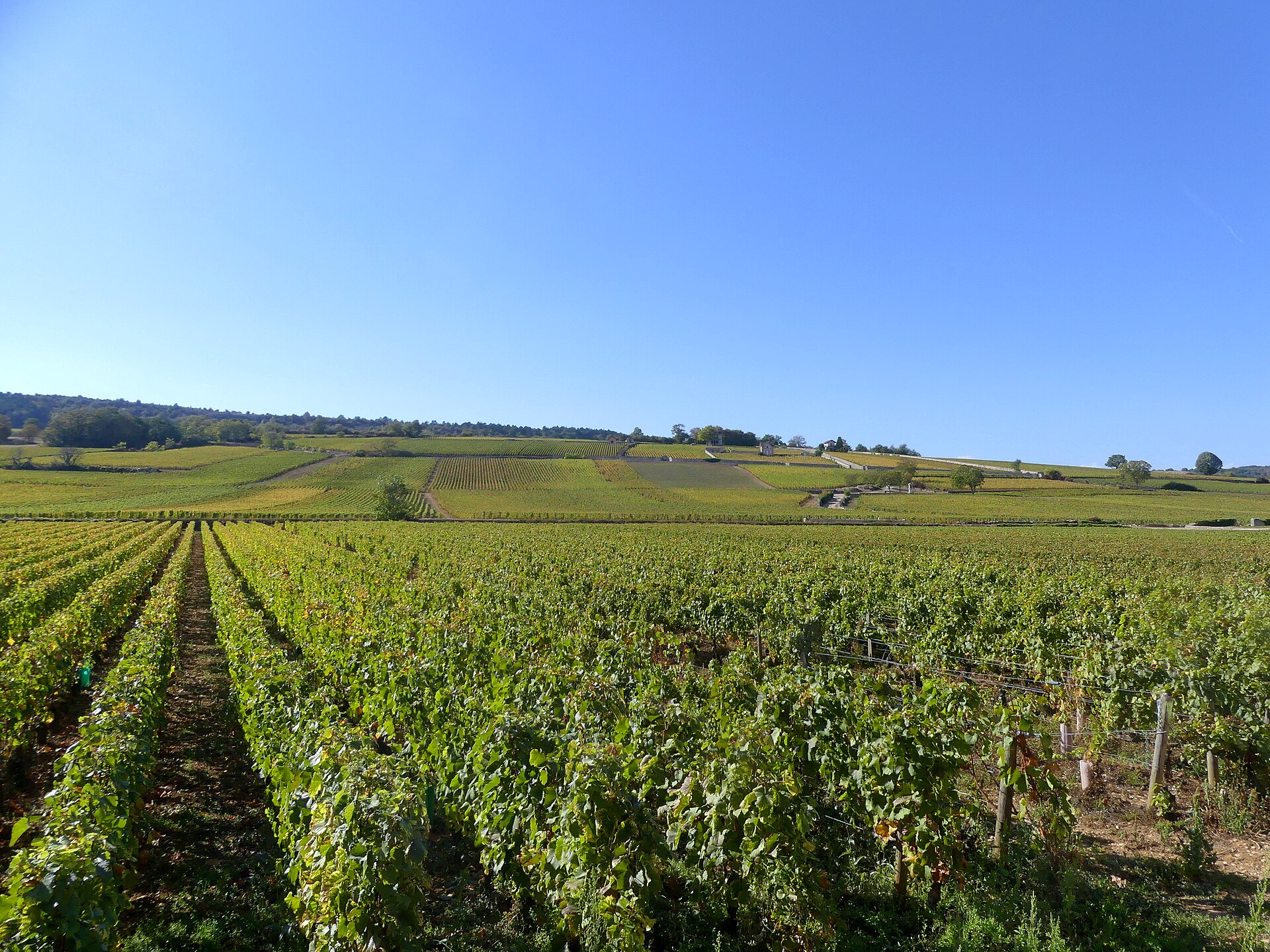
Provence's cooking leans on olive oil, garlic, tomatoes, herbs, and seafood on the coast. Dishes like ratatouille, soupe au pistou, and bouillabaisse (in Marseille and surrounds) reflect agricultural abundance and Mediterranean access. Rosé wine production dominates many vineyards — dry, pale rosés suited to hot afternoons rather than sweet stereotypes.
Regional specifics appear in our overview of regional cuisine. Tapenade, anchoïade, and socca (chickpea flatbread in Nice, which sits at the eastern edge of the broader Provençal cultural area) show how local ingredients accumulate into recognizable flavors. Dining customs follow broader French patterns described in our dining guide, with dinner often starting later in summer when heat breaks.
When to Visit
Summer brings long days and lavender bloom on the plateau around Valensole, but also peak crowds and accommodation prices. Spring offers wildflowers and milder temperatures. Autumn harvest season — grapes, olives — provides culinary focus with fewer visitors. Winter quiets considerably; some restaurants and shops in small villages close, but cities like Aix and Avignon remain active.
Our seasonal travel guide places Provence in context alongside other regions. August specifically sees many French residents on vacation, which can mean closed businesses in cities but busy village markets everywhere.
Getting Around
Provence is easiest with a car for village-hopping, though train service connects major towns — Avignon, Aix-en-Provence, Marseille — to Paris and Lyon via TGV. Rural bus routes exist but run infrequently. Cycling suits the flatter Rhône corridor and some Luberon routes; hills and summer heat challenge casual riders.
From Paris, the TGV reaches Avignon in under three hours, making Provence combinable with a capital visit if you accept the trade-offs of splitting time. Staying put in one base — a farm rental, a small hotel in a market town — usually produces better memories than constant relocation.
Villages Worth the Detour
Beyond the famous Luberon trio, consider Lourmarin for its Renaissance castle and literary associations, Saint-Rémy-de-Provence for Roman ruins and a functioning market square, and Les Baux-de-Provence for dramatic hilltop views — though Les Baux fills early in high season. The Camargue, west of Marseille, offers a different Provence entirely: wetlands, white horses, flamingos, and rice fields that contradict the lavender-and-stone stereotype.
Avignon functions as a practical base with TGV access, a intact medieval rampart, and the Papal Palace — without requiring a car for day trips along the Rhône. Aix-en-Provence combines university energy, Cézanne's studio, and plane-tree boulevards suited to unhurried afternoons at café tables.