France is often described as having a unified national cuisine, but that framing obscures what travelers actually encounter. A dinner in Marseille shares little with a meal in Strasbourg beyond the language on the menu. Regional cooking in France grows from specific soils, coastlines, trade routes, and historical borders — forces that remain visible on the plate if you know what to look for.
Geography as Flavor
The simplest explanation for regional difference is what grows nearby. Provence and the Mediterranean south produce olives, garlic, tomatoes, and herbs that define ratatouille, bouillabaisse, and tapenade. Butter and cream dominate cooking in Normandy and Brittany, where pastureland supports dairy cattle and the coastline supplies shellfish. The mountainous southeast favors hearty dishes — tartiflette, fondue, and polenta-like preparations — that reflect Alpine agriculture and cold winters.
Water matters as much as land. Atlantic and Channel coasts feed cod preparations, mussels, and oysters. The Mediterranean supplies anchovies, sea bream, and octopus. Inland rivers — especially the Loire — provide freshwater fish that appear in simpler, often overlooked preparations compared with coastal celebrity dishes.
History on the Plate
Borders moved; food remembers. Alsace shows Franco-German influence in choucroute, flammekueche, and Gewürztraminer wine. Corsica blends Italian and French traditions. Southwest France carries Spanish traces in piperade and cured ham traditions. Lyon developed elaborate cuisine partly because the city sat at the crossroads of trade routes and later became wealthy from silk — resources that funded a culture of eating well and employing professional cooks (mères lyonnaises) who shaped bistro cooking nationwide.
Colonial history also left marks, most visibly in port cities. Marseille's North African communities contributed spices, couscous, and harissa to the city's everyday food landscape. Paris absorbs influences from across France and beyond, which is why capital dining can feel less regionally anchored than a meal in a provincial town with one dominant culinary identity.
Appellations and Protected Names
France uses legal designation systems to protect regional products. AOP (Appellation d'Origine Protégée) and IGP (Indication Géographique Protégée) labels on cheese, wine, meat, and produce indicate that an item was made in a defined area using specified methods. Roquefort, Comté, and Champagne operate under such rules.
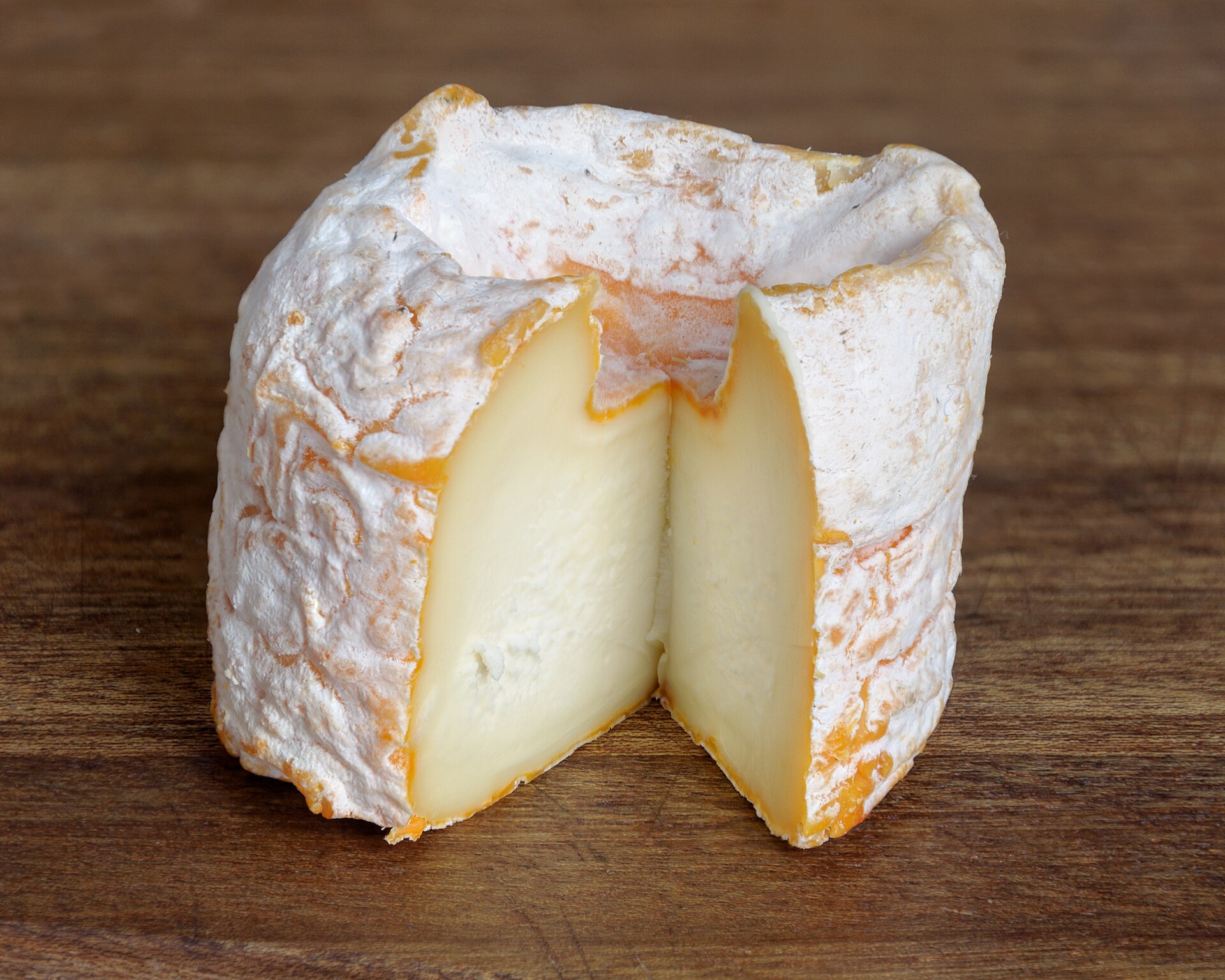
These labels matter practically when shopping at markets or fromageries. They also explain why two cheeses with similar appearances taste different — the milk source, aging conditions, and local bacterial cultures vary by place. Understanding appellations turns label-reading into a form of travel research.
Restaurant Culture vs. Home Cooking
What restaurants serve is not always what residents cook nightly. Tourist zones compress regional identity into a greatest-hits menu: bouillabaisse in Marseille, cassoulet in Toulouse, choucroute in Strasbourg. These dishes have legitimate roots but may appear in simplified form far from the neighborhoods where they remain ordinary weekday food.
Home cooking tends toward simpler structures — a roast, a stew, a salad of whatever the garden or market provided. The plat du jour at a modest bistro often hews closer to this reality than the à la carte page designed for visitors. Asking what the kitchen recommends for today usually yields a more regional answer than ordering the dish with the longest description.
How to Eat Regionally While Traveling
Start with our overview of French regions to match destinations with culinary interests. Then narrow focus: if you care about wine, the Loire, Burgundy, and Bordeaux each require different planning. If cheese is the priority, Normandy, Auvergne, and the Alps reward attention.
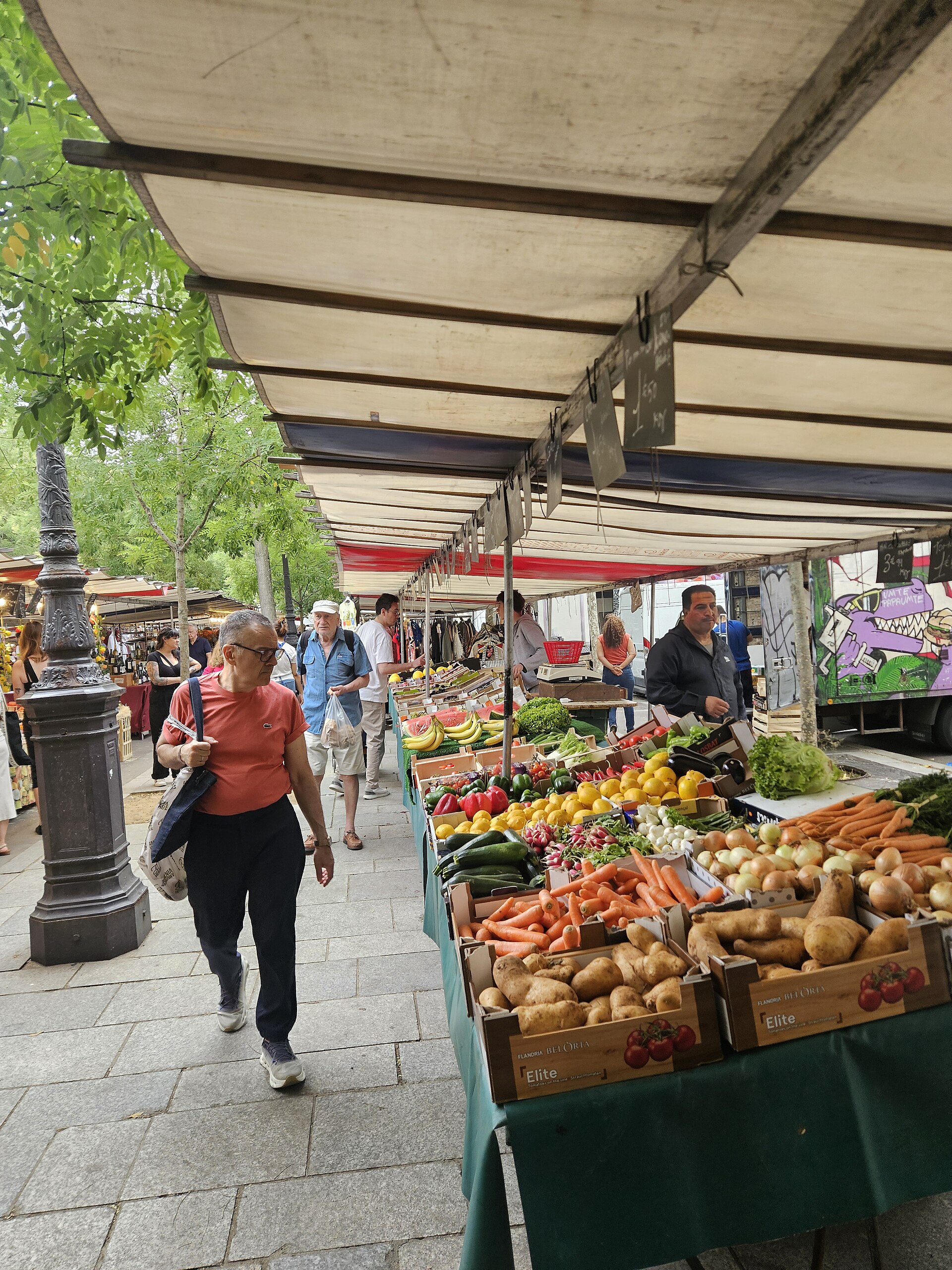
Visit markets early. Read menus in French even if you need translation — dish names often signal origin (à la normande means with cream and apple; provençale suggests tomatoes and olive oil). Pair food reading with dining customs so meal timing and structure support rather than fight local habits.
Regional cuisine is not a museum exhibit. It shifts with seasons, immigration, and economic pressure on small producers. The tradition worth seeking is not a fixed recipe but the logic behind it — why this ingredient, in this place, at this time of year.