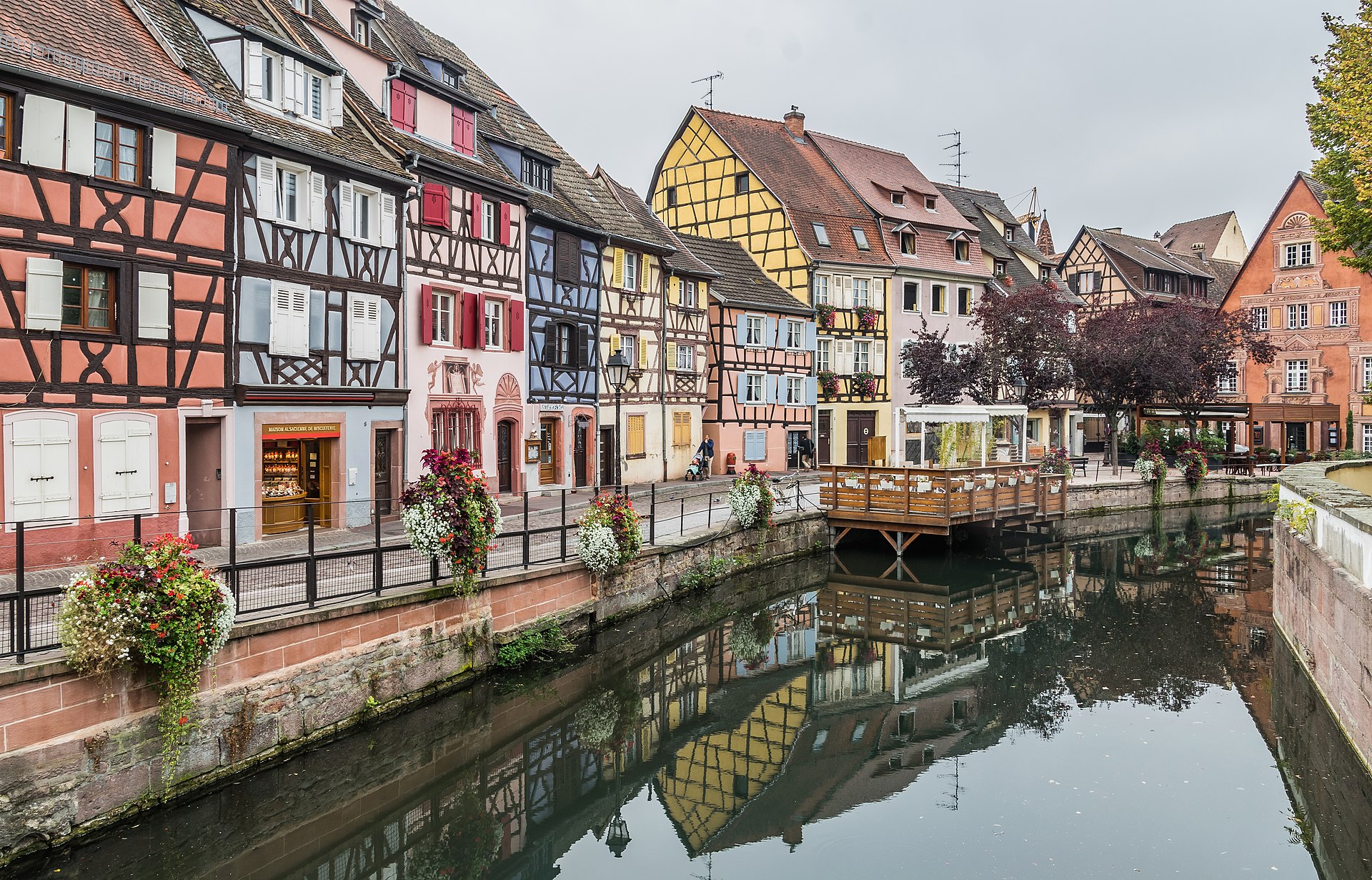
Alsace sits in northeastern France against the Rhine and the German border — a region shaped by centuries of shifting sovereignty that left a distinct Franco-German identity visible in architecture, language, food, and wine. Half-timbered houses with flower boxes line streets that could belong to either country; Alsatian dialect still appears on menus and signs alongside French. For travelers tired of the Mediterranean south, Alsace offers a different France entirely.
Strasbourg and Colmar
Strasbourg, the regional capital, hosts the European Parliament and a UNESCO-listed island center (Grande Île) with a cathedral whose single spire dominated the medieval skyline. Petite France, the tanner's quarter along canals, draws photographers but retains working restaurants and residences. The city functions year-round — not a seasonal tourist enclosure — which makes it a reliable base.
Colmar, smaller and often described as picturesque to the point of congestion, preserves Alsatian architecture at a walkable scale. The Unterlinden Museum holds the Isenheim Altarpiece, a masterpiece of Renaissance painting. Visit Colmar on weekdays or outside peak summer weeks if possible. Nearby villages — Eguisheim, Riquewihr, Kaysersberg — appear on the wine route and fill quickly with day-trippers.
The Wine Route
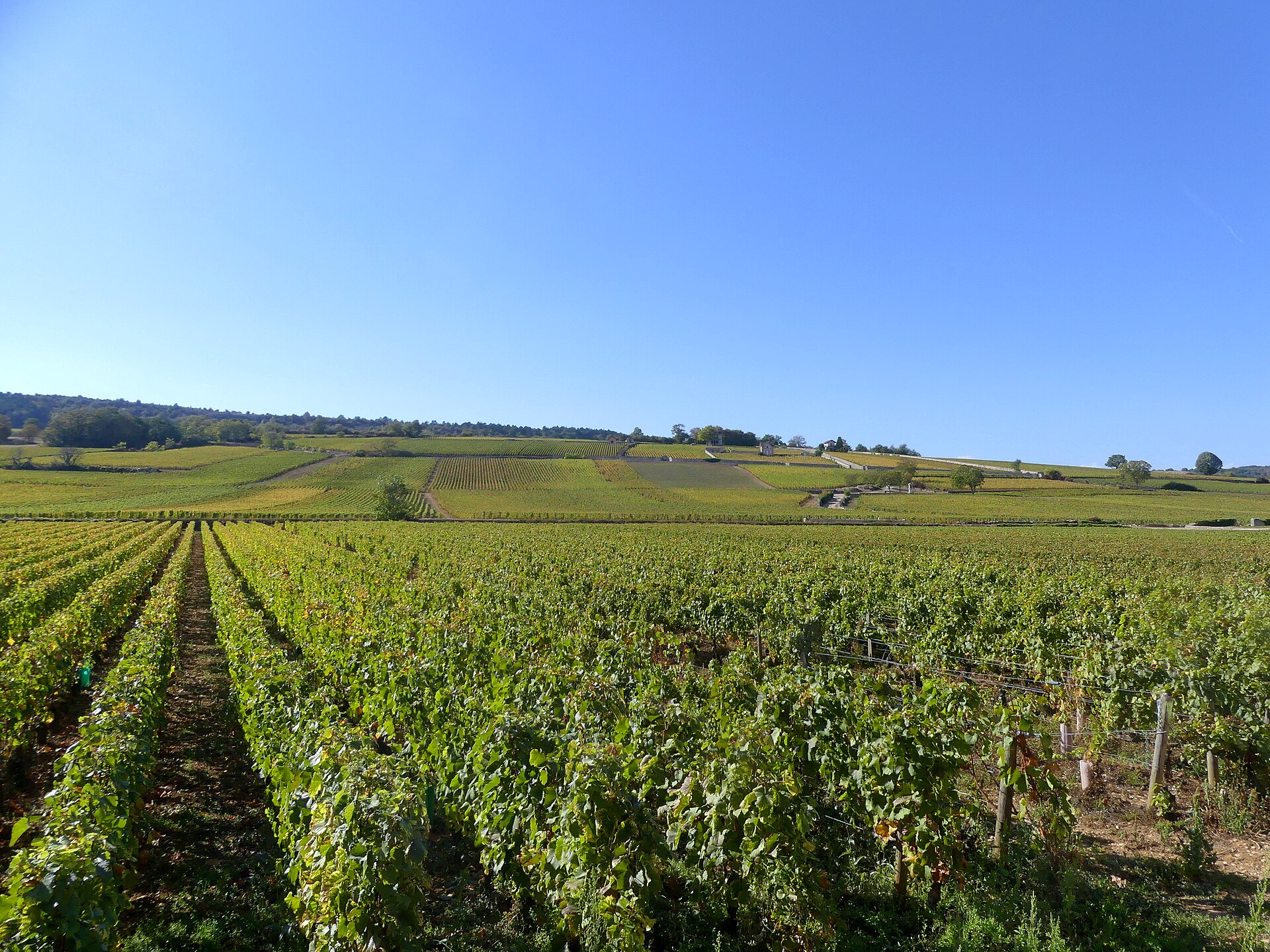
The Route des Vins d'Alsace runs roughly north-south along the foothills of the Vosges mountains. Riesling, Gewürztraminer, Pinot Gris, and Muscat dominate production — aromatic whites that pair with regional food differently from the reds of Burgundy or Bordeaux. Many wineries offer tastings; some require appointments.
Vineyards climb slopes protected from rain by the Vosges, creating a drier microclimate than surrounding areas. This geographic detail explains why wine concentrates here rather than across the entire region. Understanding that logic improves tasting — you are not sampling random bottles but a place with specific conditions.
Food and Markets
Alsatian cuisine reflects Germanic influence: choucroute (sauerkraut with sausages and pork), baeckeoffe (slow-baked meat and potato casserole), tarte flambée (flammekueche) — thin dough with cream, onion, and lardons. Munster cheese, washed-rind and aromatic, originates in these mountains. Gingerbread (pain d'épices) appears in shops throughout the year but dominates Christmas markets.
Strasbourg's Christmas market claims centuries of tradition and draws enormous crowds from late November through December. Smaller town markets offer similar atmosphere with less density. Our guides to markets and regional cuisine provide context for shopping and eating beyond restaurant menus.
The Vosges Mountains
West of the wine route, the Vosges range offers hiking, lakes, and cooler temperatures in summer. The Crest Road (Route des Crêtes) runs along ridgelines with views westward. Alsace is not only villages and wine — the mountains provide an alternative pace for travelers who want walking days between tasting sessions.
Winter sports are modest compared with the Alps but accessible. The region suits autumn foliage and spring vineyard work as much as summer tourism.
Getting There
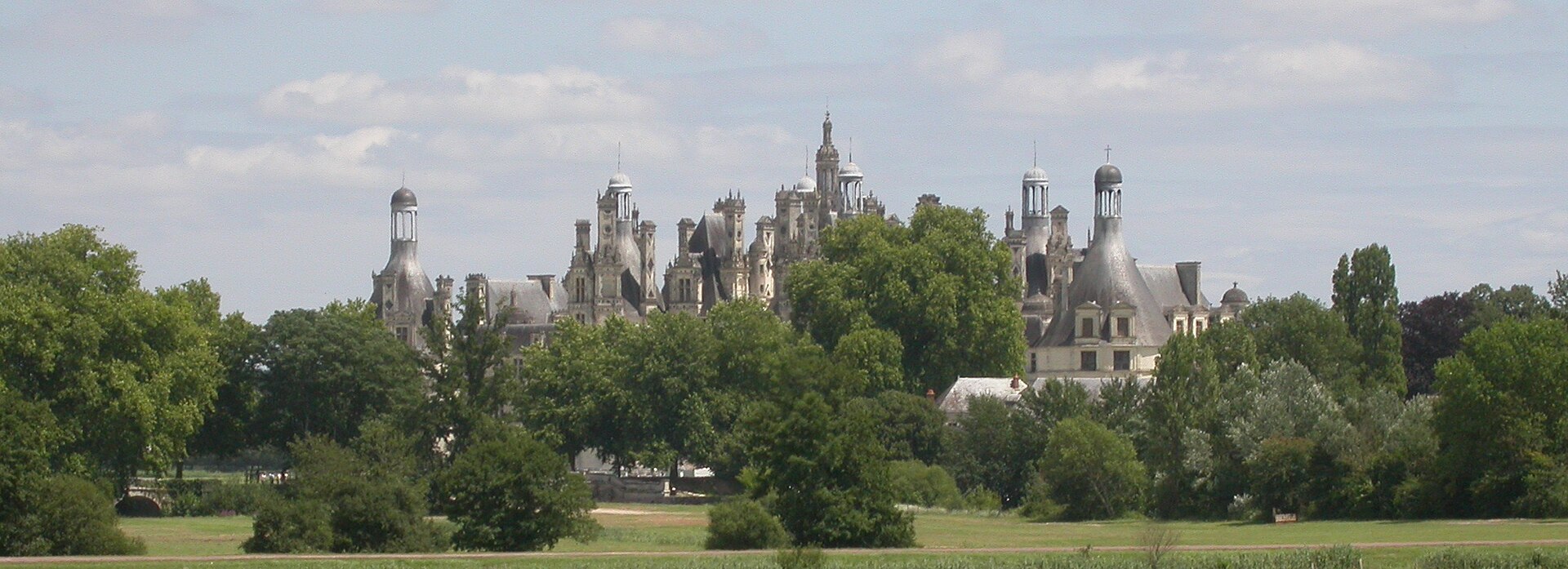
TGV trains reach Strasbourg from Paris in about two hours. Basel and Frankfurt airports serve the region internationally. A car helps for wine villages but trains and buses connect major towns. Alsace fits well into multi-region trips — combine with the Loire Valley only if you accept long travel days; pairing with eastern France planning and a deliberate pace works better.
See also our seasonal guide for Christmas market timing and train travel for booking TGV seats to Strasbourg.
Language and Daily Interaction
Alsatian dialect appears on bilingual street signs in many towns. Standard French remains the language of administration and school, but hearing German-inflected greetings or seeing Willkommen alongside Bienvenue is normal. English proficiency varies — tourist-facing businesses in Strasbourg and Colmar manage well; smaller villages may not. A few words of French still help, particularly when asking about wine or food at producers' doors.
The region's history of annexation and return between France and Germany explains architectural uniformity in half-timbering but also a local pride that resists being reduced to either nationality. Visitors who treat Alsace as "France but with German houses" miss the point. It is its own place with its own calendar — harvest festivals, Christmas traditions, and spring wine tastings structure the year as much as any national holiday.