France maintains one of Europe's most extensive rail networks. High-speed TGV lines connect major cities in hours; regional TER trains reach towns and villages where TGV does not stop. For many trips — Paris to Lyon, Paris to Avignon, Lyon to Strasbourg — the train beats driving once you account for traffic, tolls, and parking. Understanding train types, booking systems, and station layout removes most of the friction.
TGV: High-Speed Intercity
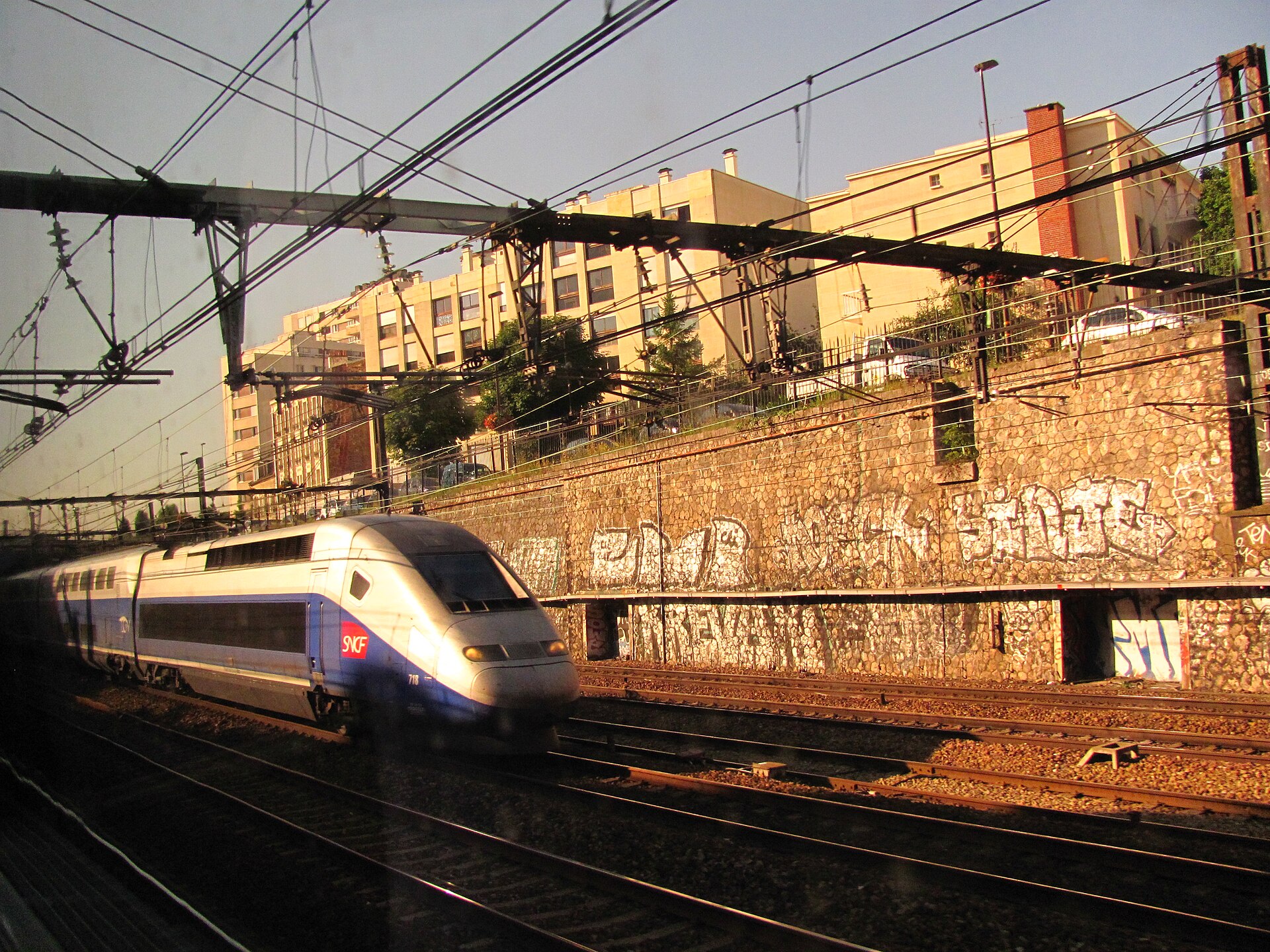
TGV (Train à Grande Vitesse) operates on dedicated high-speed lines between major cities. Paris to Lyon takes about two hours; Paris to Marseille roughly three; Paris to Strasbourg under two. Speed and frequency make TGV the default choice for long intercity legs.
TGV trains require seat reservations. Your ticket specifies train number, car (voiture), and seat (place). Arrive at the platform early — boards show train composition so you can stand where your car will stop. Luggage racks exist at car ends; no strict weight limits apply for personal bags, but large items need space you find yourself.
Two classes: second class (2de classe) and first class (1re classe). First offers wider seats and quieter cars; second is comfortable for most travelers. Premium tiers (TGV InOui, Ouigo) differ mainly in flexibility and amenities — Ouigo is a budget brand with stricter baggage rules and separate stations at some Paris departures.
TER: Regional Trains
TER (Transport Express Régional) serves regions on conventional tracks — slower, more stops, lower fares. Use TER for day trips from a base city, connections to towns without TGV service, and scenic routes where speed matters less. Examples: regional trains along the Normandy coast, connections between Loire Valley towns, Alpine valley services.
Some TER tickets do not require seat reservations; you validate at platform machines before boarding. Regional schedules vary — Sunday and holiday service reduces frequency. Check return times before leaving, especially in rural areas where evening trains may be sparse.
Booking Tickets
SNCF Connect (website and app) is the primary booking channel for domestic travel. Tickets typically open for sale several months ahead. TGV fares rise as departure approaches and as seats fill — booking early often saves money on popular routes and holiday periods.
Flexible tickets cost more than non-refundable advance fares. Read conditions before purchasing. Name on the ticket should match ID you carry; random checks occur. E-tickets on phone or printed PDF work; physical tickets from station machines require the card used for purchase.
Rail passes for non-European residents exist through various vendors; whether a pass saves money depends on your itinerary math. Point-to-point tickets often suit focused trips better than unlimited passes.
Paris Stations
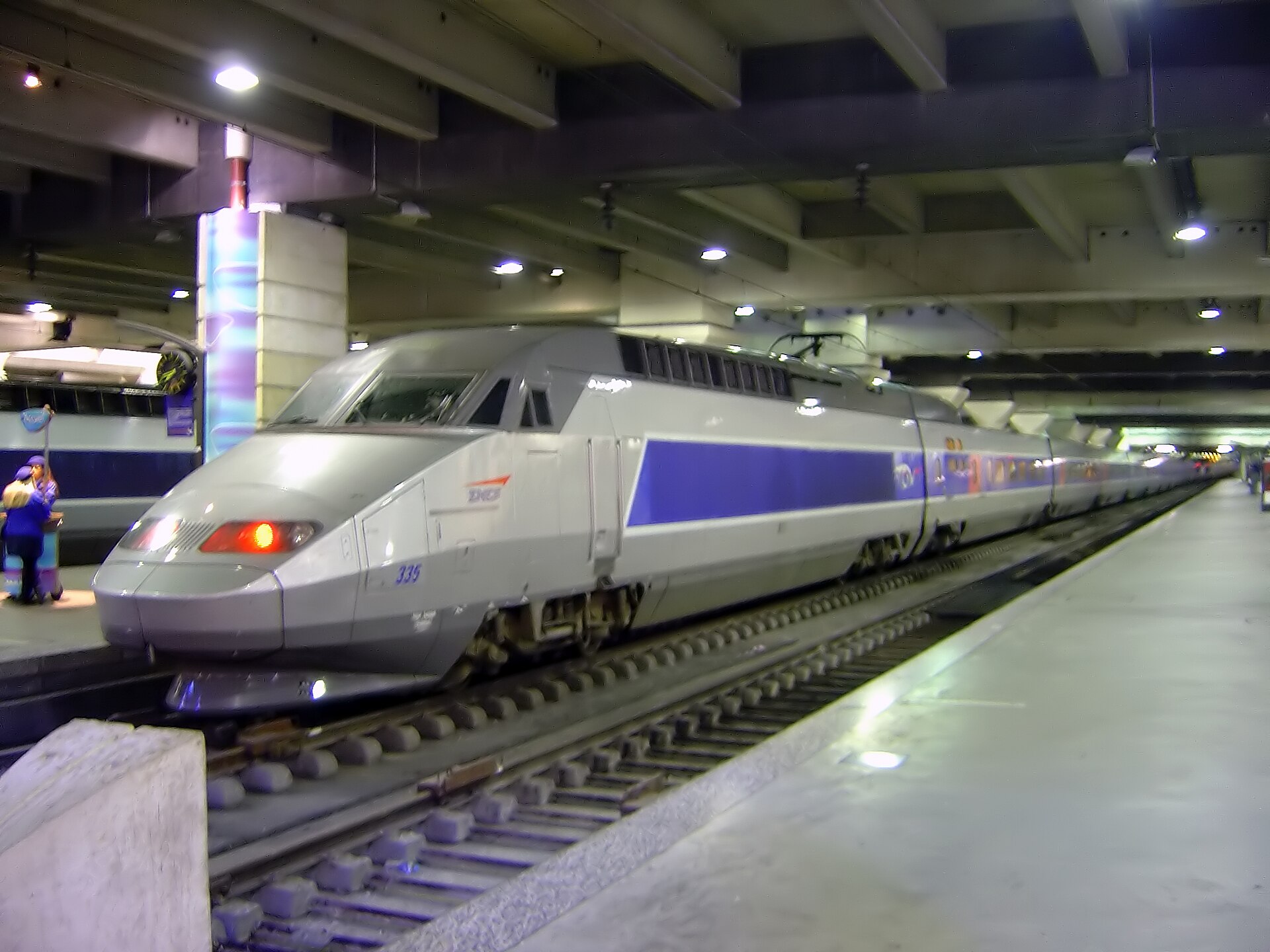
Paris has multiple mainline stations — not one central hub. Gare du Nord serves northern France, London (Eurostar), and Belgium. Gare de Lyon serves southeast France and Switzerland. Gare Montparnasse serves southwest France including the Loire and Brittany connections. Gare de l'Est serves eastern France and Germany. Gare Saint-Lazare serves Normandy.
Allow time for Metro connections between stations if transferring. Paris station neighborhoods differ — Gare du Nord area requires normal urban awareness; Gare de Lyon has restaurants worth arriving early for. Our Paris guide covers city navigation from these entry points.
At the Station
Platforms (voies) are assigned relatively close to departure — sometimes only twenty minutes before. Watch departure boards. Validation applies to some ticket types at yellow machines near platforms; failure to validate can result in fines.
Strikes (grèves) occur periodically in French transport. SNCF announces disruptions in advance when possible. Travel insurance or flexible tickets help during strike weeks. Alternative buses sometimes replace cancelled trains on TER routes.
Combining Train with Regional Travel
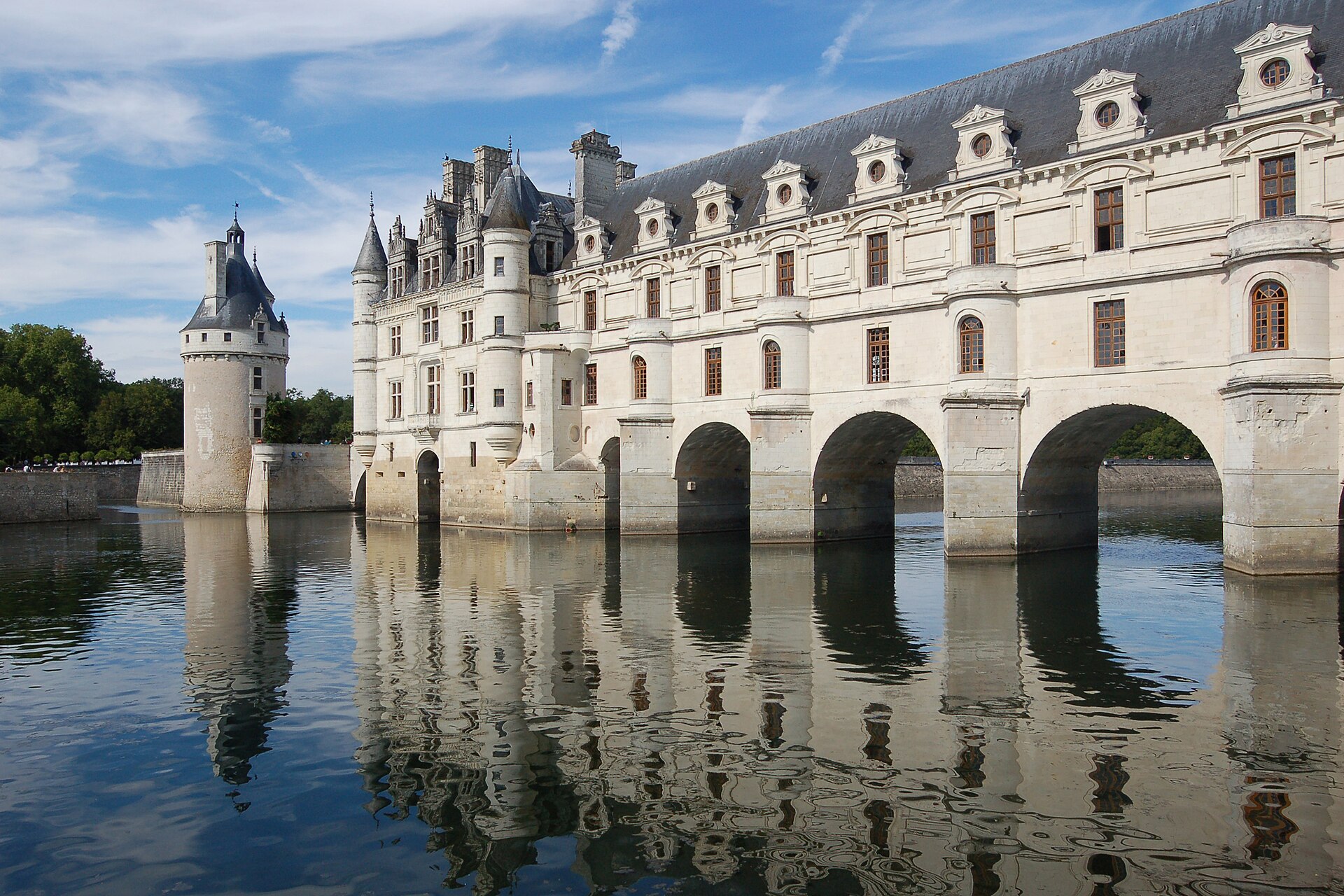
Trains reach cities; regions often need buses, bikes, or rental cars. Avignon TGV station sits outside the walled city — a shuttle connects. Many Loire châteaux require local transport from Tours or Blois stations. Plan the last mile before assuming rail alone suffices.
For itinerary design, pair this guide with first-time planning, slow travel, and destination pieces for Normandy, Provence, and the Loire Valley. Rail connects the country efficiently when your destinations align with the network.