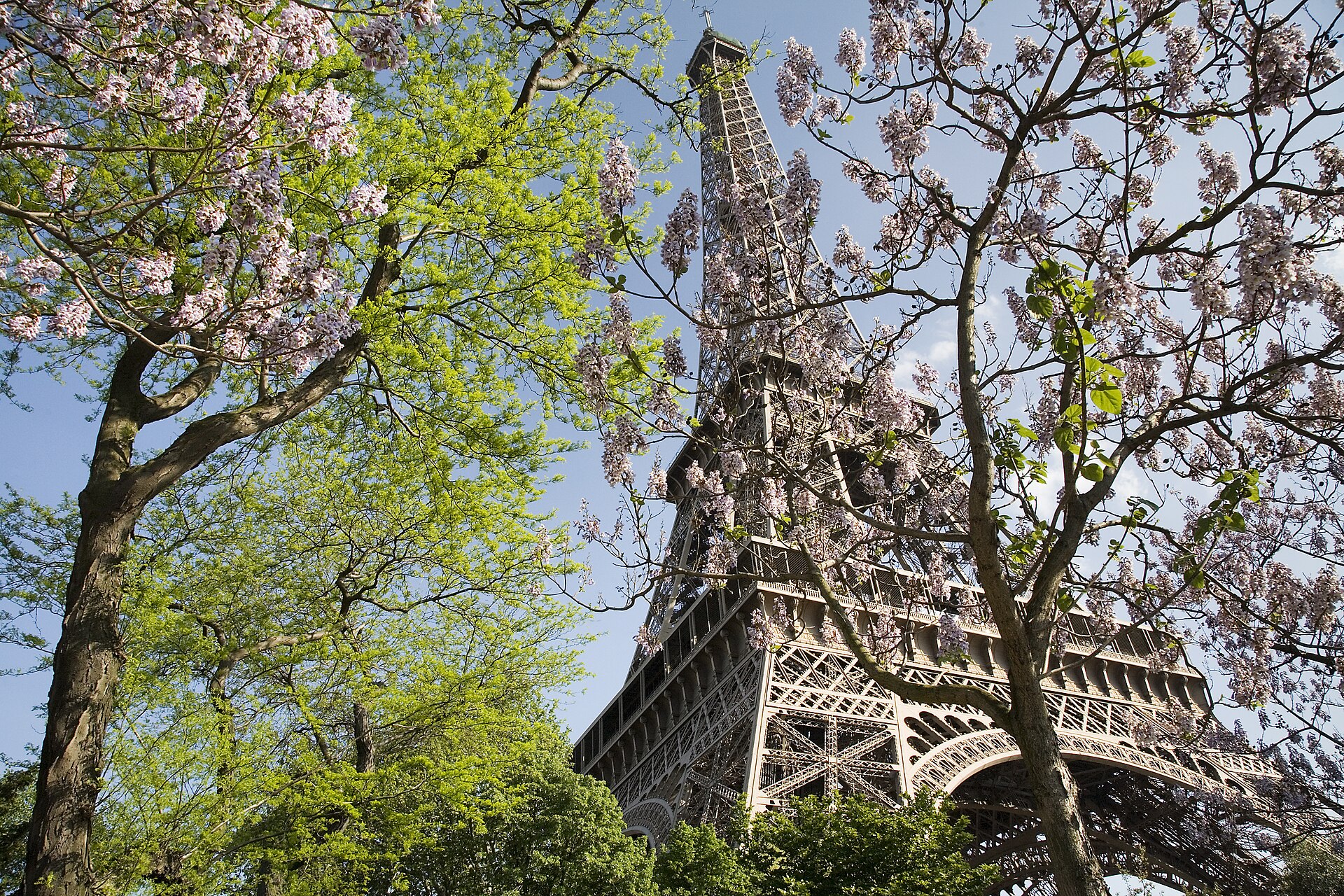
Paris compresses into a handful of images for most first-time visitors: the Eiffel Tower, the Louvre pyramid, Notre-Dame, Montmartre steps. These places matter historically and architecturally, but they represent a thin slice of a city spread across twenty arrondissements with distinct personalities. Spending an entire visit inside that slice means missing the Paris where residents actually buy vegetables, walk their dogs along canals, and argue about bakery quality on side streets.
Thinking by Arrondissement and Quarter
Paris arrondissements spiral clockwise from the center — a numbering system that helps orientation once you learn it. The central districts (1st through 4th) hold museums and monuments but also dense residential blocks. The Marais (3rd and 4th) mixes medieval street patterns with galleries and falafel counters. The Latin Quarter (5th) retains university energy around the Sorbonne. None of these neighborhoods should be reduced to a single attraction.
Moving outward opens different textures. The 11th and 12th arrondissements support a restaurant scene less oriented toward visitors. Belleville and Ménilmontant in the northeast climb hills with street art and views that rival Montmartre with fewer crowds. The 13th contains the city's primary Chinatown and modernist towers alongside the Bibliothèque nationale.
Canals and the Northeast
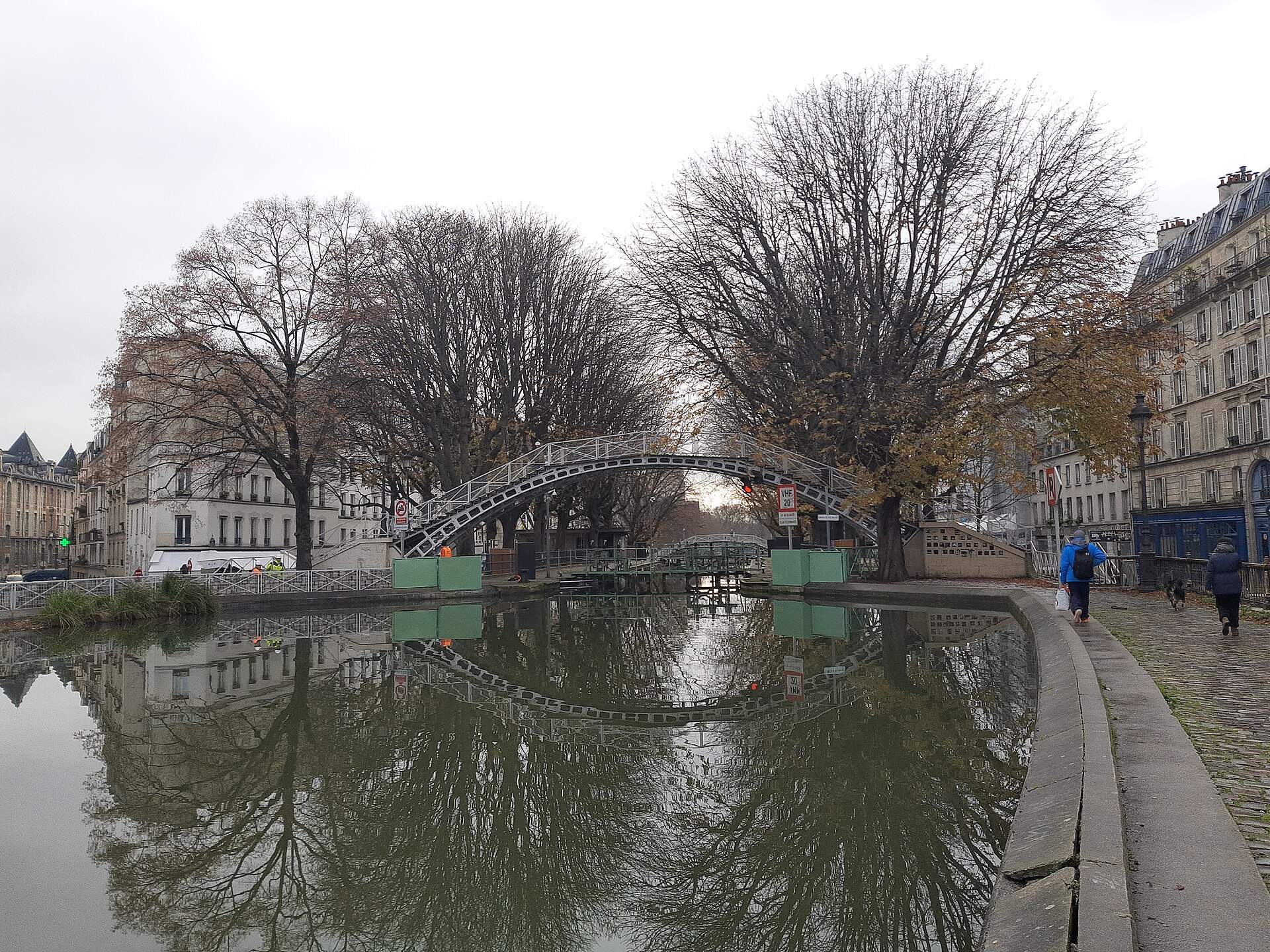
The Canal Saint-Martin, popularized in film but still genuinely local, runs through the 10th and 11th arrondissements. On warm evenings, people picnic along the banks with wine and takeaway food — a ritual that costs little and reveals how young Parisians use public space. Further northeast, the Bassin de la Villette connects to the Ourcq canal and the Parc de la Villette, a former industrial zone converted into museums, concert halls, and open lawns.
Walking these waterways provides flat, car-light routes through neighborhoods that guidebooks often skip. They also connect to train stations serving other regions, making them practical corridors if you are arriving from or departing to the provinces.
Parks That Are Not the Luxembourg
The Jardin du Luxembourg deserves its reputation, but Paris maintains large parks worth equal attention. Parc des Buttes-Chaumont in the northeast features cliffs, a suspension bridge, and a temple perched on a hill — landscape design from the Second Empire that feels theatrical without being manicured. The Bois de Vincennes on the eastern edge offers lakes, a botanical garden, and space to walk for hours without crossing a tourist queue.
Smaller squares anchor daily life: Place des Vosges in the Marais for architecture, Square du Vert-Galant on the western tip of the Île de la Cité for river views, and the hidden passages (passages couverts) — glass-roofed shopping arcades from the nineteenth century — scattered primarily in the 2nd and 9th arrondissements.
Markets, Bakeries, and Cafés
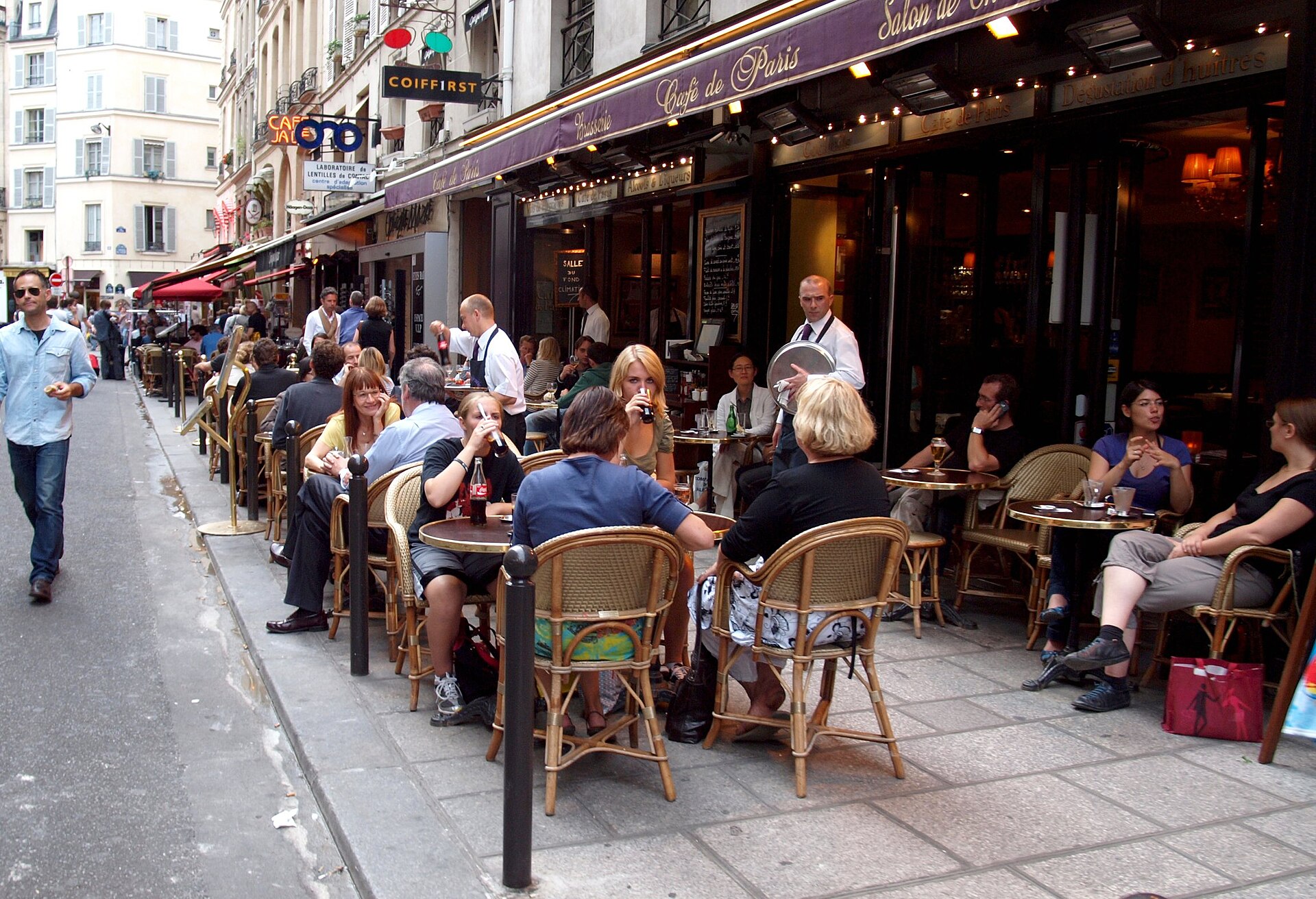
Paris supports thousands of bakeries and weekly markets in every arrondissement. The Marché d'Aligre near Bastille combines covered stalls with an open-air square where residents shop for weekday dinners. Rue Mouffetard on the Left Bank maintains a market street rhythm despite tourism. These are places to practice market habits and observe café culture without the performance that sometimes accompanies central tourist terraces.
Coffee culture in Paris has evolved. Traditional cafés remain; specialty roasters and filter coffee shops now cluster in the 10th and 11th. Both belong to the city. Choosing between them is a matter of whether you want a zinc counter and an espresso or a pour-over and a laptop-friendly table.
Practical Orientation
Paris rewards walking and Metro use together. Walking everything is unrealistic; Metro-only travel misses street-level texture. Combine a Metro crossing with a long walk through a neighborhood you chose deliberately rather than one you pass through between monuments.
For a short visit, our guide to a weekend in Paris suggests a manageable rhythm. For first-time country planning that includes the capital, see first-time France. Paris is not France — spending an entire trip here and calling the country seen is a common mistake. But within the capital, the mistake is equally common: seeing only what appears on postcards.