First trips to France often suffer from ambition. The country is large, famous, and densely packed with things worth seeing — which makes it easy to plan an itinerary that covers Paris, the Loire, Provence, and the Riviera in twelve days and leaves you wondering why everything felt rushed. This guide addresses practical first-time decisions: how long to stay, where to begin, and how to avoid mistakes that have nothing to do with language or logistics.
How Long You Need
A weekend suits Paris alone — see our weekend guide for a realistic two-day rhythm. A week allows Paris plus one region, or one region thoroughly without the capital. Two weeks permits Paris and two regions if you accept travel days between them. Less than a week for both Paris and Provence means you will mostly remember trains.
There is no minimum duration for a meaningful trip, but there is a maximum useful geography per day count. Match ambition to calendar honestly.
Where to Start
Paris is the default entry point — major international airport, TGV connections everywhere. Starting elsewhere makes sense if your interest is regional: fly into Lyon for the Alps and wine country, Marseille for the Mediterranean south, or Bordeaux for the southwest. Starting in Paris when you care primarily about Provence adds a day of transit unless you fly onward domestically.
Read our regional overview before committing. France is not homogeneous — choosing a region that matches your interests (food, coast, history, mountains) matters more than hitting name-brand destinations.
Common First-Trip Combinations
Paris + Normandy: Train from Paris to Rouen or Bayeux in under two hours. Coast, history, cheese, and cider country. Manageable in a week.
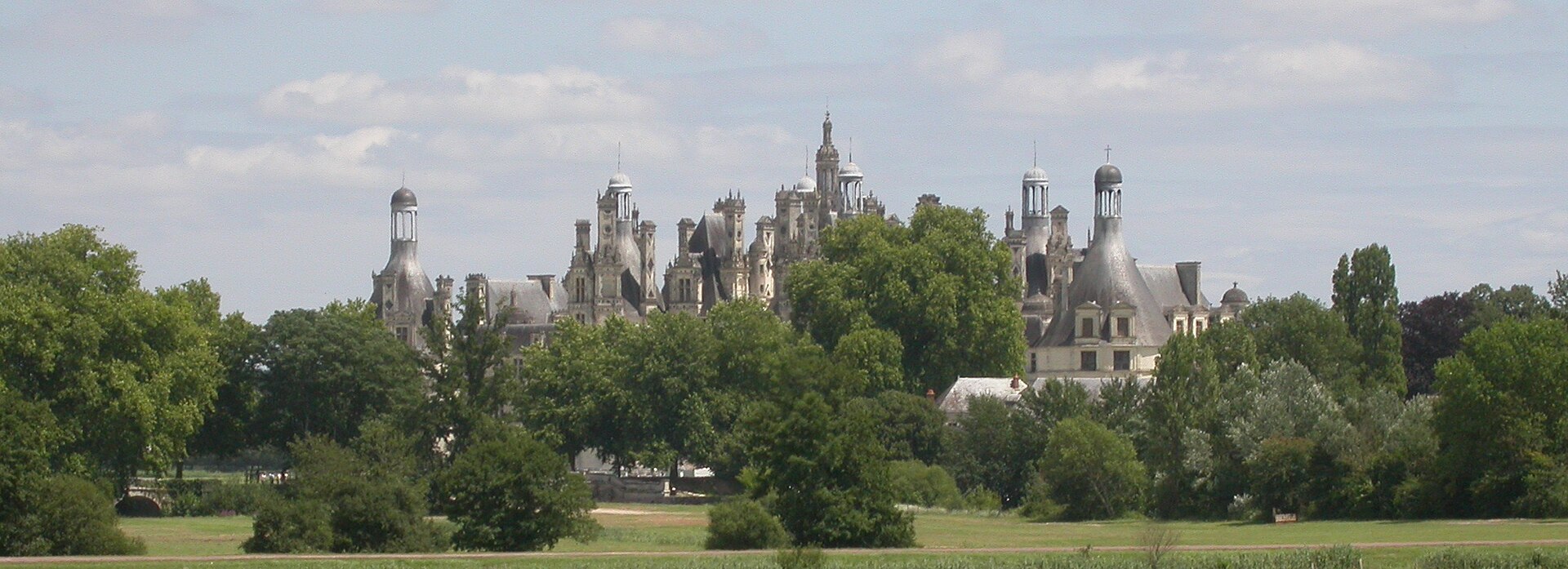
Paris + Loire Valley: TGV to Tours in about an hour. Châteaux, wine, cycling. Works in five to seven days split between city and region.
Paris + Provence: TGV to Avignon in under three hours. Requires at least ten days to justify the split, or skip Paris on a short trip entirely.
Single-region focus: Alsace, Brittany, or the Loire alone for a week rewards slow travel principles and avoids capital fatigue.
Mistakes Worth Avoiding
Treating France as a checklist. Monuments matter, but constant ticket queues produce a trip that feels like work. Choose fewer attractions and stay longer at each.
Ignoring meal times. Lunch kitchens close. Dinner starts late. Read dining customs before arrival.
Driving in Paris. Parking, traffic, and stress outweigh convenience for most visitors. Use Metro, walking, and trains. Rent a car only for rural regions where it helps.
Visiting in August without planning. Many Paris businesses close; coastal and rural areas fill. See seasonal guidance.
Expecting English everywhere. Tourist zones accommodate English; smaller towns may not. Basic French greetings — bonjour, merci, s'il vous plaît — improve interactions noticeably.
Practical Foundations
Money: Cards work widely; carry some cash for markets and small villages. Contactless payment is common.
Phones: EU roaming applies for European phones; others may need eSIM or local SIM for data. Offline maps help navigation.
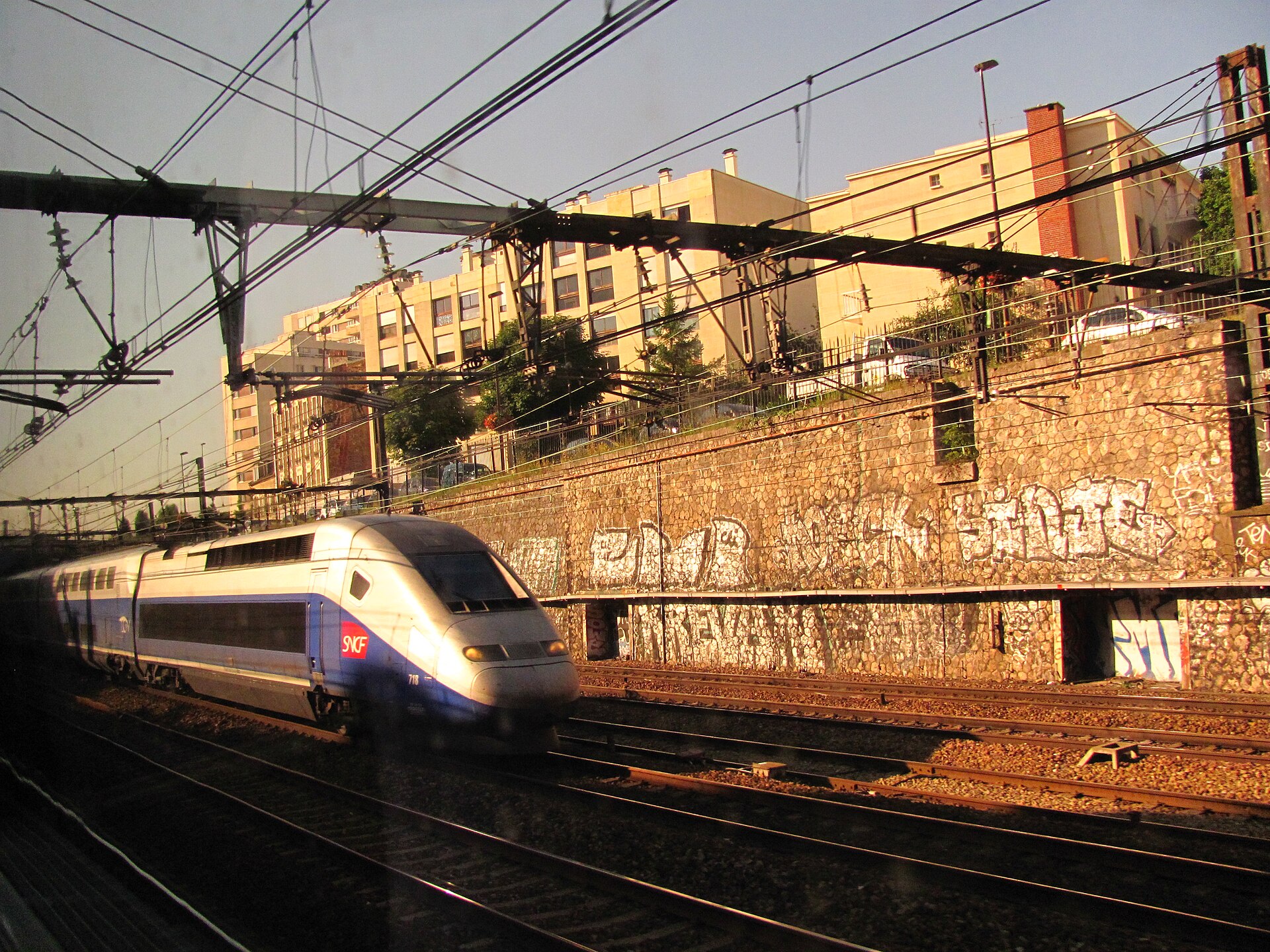
Trains: Book TGV early for savings. Our train guide covers types and stations.
Culture: Greet shopkeepers on entry. Say goodbye on exit. These small habits matter more than fluent French.
What to Read Next
Once you know duration and region, deepen with destination guides for Paris, Provence, Normandy, Loire Valley, and Alsace. Food and culture pieces on markets, bread, and cafés prepare you for daily routines. First trips succeed when they leave you wanting to return — which usually means leaving something unseen.
Accommodation Choices
Hotels in city centers cost more but save transit time. Apartments suit longer stays and market shopping — many require self-check-in and local tax paid in cash on arrival. Rural gîtes and chambres d'hôtes (bed-and-breakfasts) place you closer to vineyards and village life but often require a car. Read cancellation policies carefully; flexible rates cost more but protect against plan changes.
Location within a town matters as much as the town itself. A rental on a market street means Saturday morning noise; a farmhouse without walking distance to a bakery means driving for breakfast bread. Match accommodation to the daily rhythm you want rather than to the most photographed building available.