The boulangerie is among the first stops in a French morning. Residents queue for baguettes still warm from the oven, exchange brief greetings with staff who recognize their faces, and carry bread home tucked under an arm or in a paper sleeve that will soon grow translucent from steam. For visitors, the bakery offers an accessible entry point into daily food culture — less intimidating than a formal restaurant, more revealing than a supermarket aisle.
What Makes a Boulangerie
Legal definitions matter here. A true boulangerie in France must make bread on-site from raw ingredients rather than reheating frozen dough prepared elsewhere. Look for the word boulangerie on the sign and, if curious, the certificate often displayed inside confirming on-premises production. A dépôt de pain sells bread baked elsewhere. Quality varies, but the distinction explains why some shop windows show visible ovens and others do not.
Many bakeries also sell pastries (viennoiseries) — croissants, pain au chocolat, chaussons aux pommes — made in the same kitchen or delivered from a specialist. The morning queue often mixes people buying dinner bread with those collecting breakfast pastries before work.
Reading the Bread Shelf
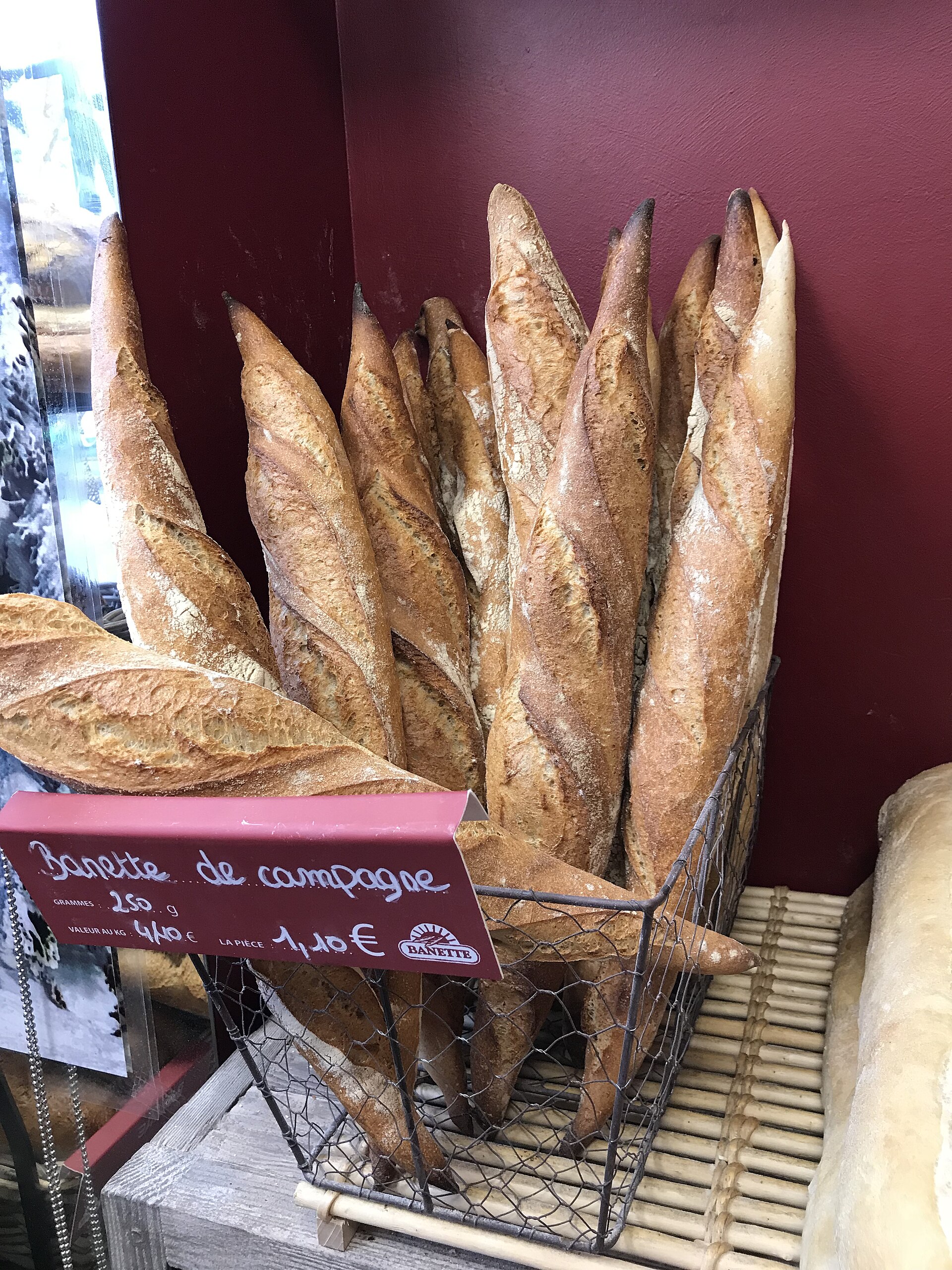
The standard baguette is the baseline: about 250 grams, crisp crust, soft interior with irregular holes. Beyond it, choices multiply. Baguette tradition (or tradition française) follows stricter rules — no additives, longer fermentation — and usually costs slightly more with noticeably better flavor and keeping quality.
Pain de campagne is a larger, rounder country loaf with mixed flours, better for several days of household eating. Pain complet and pain aux céréales incorporate whole grains and seeds. Bâtard sits between baguette and full loaf in size. Regional specialties appear by location: pain de seigle in rye-growing areas, walnut bread in the southwest, fougasse with olive oil and herbs in the south.
Ask for bread bien cuit (well baked, darker crust) or pas trop cuit (lighter) if you have preference. Bakeries accommodate regular requests without fuss.
Timing Your Visit
Bakeries open early — often around 7 a.m., sometimes earlier in cities. First batches of baguettes emerge mid-morning; late afternoon sees a second wave for dinner shoppers. Sunday hours may be limited or closed entirely in smaller towns. Public holidays disrupt schedules; plan ahead if staying self-catered.
Fresh bread declines quickly. A baguette is ideally eaten the day it is bought. Day-old bread becomes toast, breadcrumbs, or pain perdu (French toast). This short lifespan drives the daily purchase habit — bread is not bought weekly in bulk the way it might be in countries where preservatives extend shelf life.
Bread at the Table
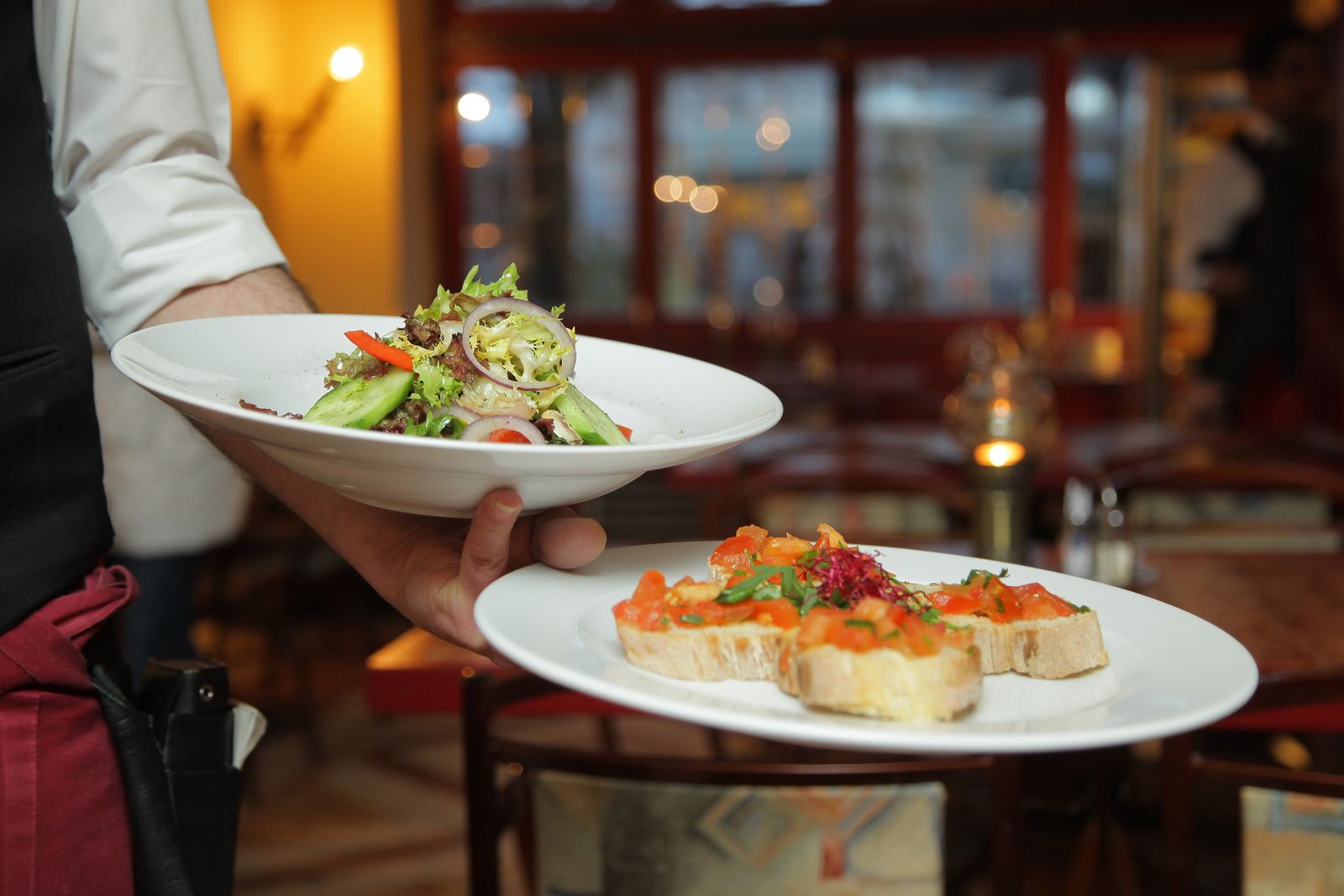
Bread accompanies nearly every sit-down meal but is not an appetizer. It sits on the tablecloth, broken by hand, used to mop sauce or accompany cheese. Placing bread directly on the table rather than a side plate is normal in informal settings. Leaving torn pieces on the plate is preferable to biting directly from the loaf.
Butter with bread appears more commonly at breakfast and in northern regions than with lunch or dinner in the south, where olive oil replaces butter in cooking and table culture. Understanding this prevents the minor friction of expecting a butter dish that will not arrive.
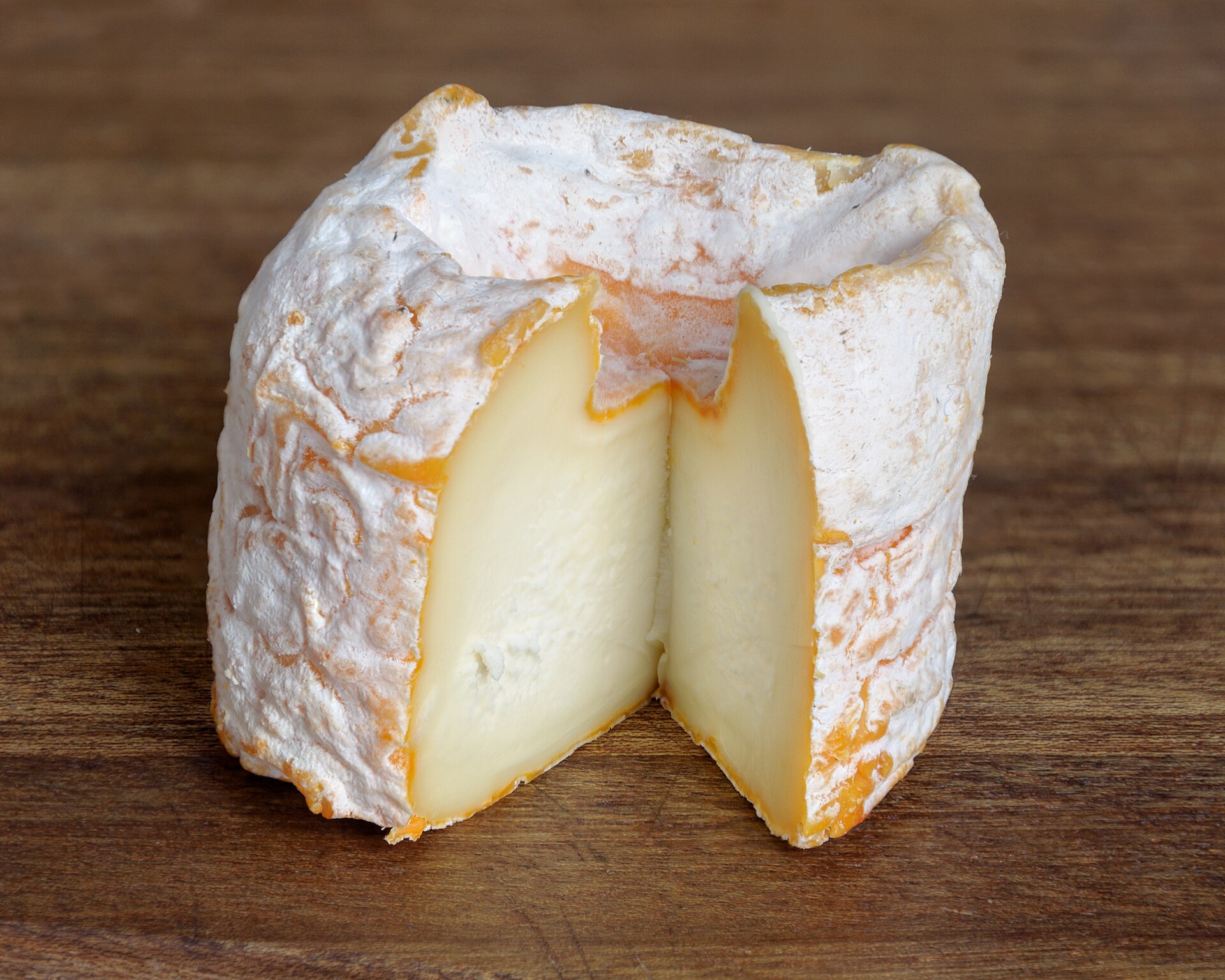
Bread and cheese form the classic end-of-meal pairing before dessert in traditional service. The cheese course is where a good country loaf earns its place — structure enough to support soft cheeses, neutral enough not to compete.
Beyond the Baguette Stereotype
France produces excellent bread that is not baguette-shaped. In Alsace, bredele and enriched holiday breads reflect Germanic baking traditions. Corsica has chestnut-flour specialties. Paris has seen artisan bakeries revive ancient grains and long fermentation methods, a movement that spreads to provincial cities through trained bakers rather than chains.
Visiting a bakery in each region you travel through costs little and teaches much about local taste. Pair the habit with market mornings and you have the foundation of picnics, apartment breakfasts, and the kind of simple meals that slow travel depends on.