Dining in France involves more unwritten rules than most visitors expect — not because the French are rigid about etiquette, but because meals follow structures that differ from North American or British habits. Understanding meal timing, course order, and basic table manners prevents awkward moments and helps you receive better service.
Meal Times
Lunch (déjeuner) traditionally runs from noon to about 2 p.m. Many restaurants serve continuously in tourist areas, but in smaller towns kitchens close when lunch service ends. Arriving at 2:30 expecting a full meal often means sandwiches or nothing.
Dinner (dîner) starts later than in many countries. 7 p.m. is early; 8 to 9 p.m. is normal in cities. Restaurants may not open kitchens until 7:30. Reserve for popular places, especially on weekends.
Breakfast (petit déjeuner) is light — coffee, pastry, perhaps yogurt or fruit. Hotels may offer buffets; cafés serve croissants and tartines. A large cooked breakfast is not the French norm.
Classic Course Structure
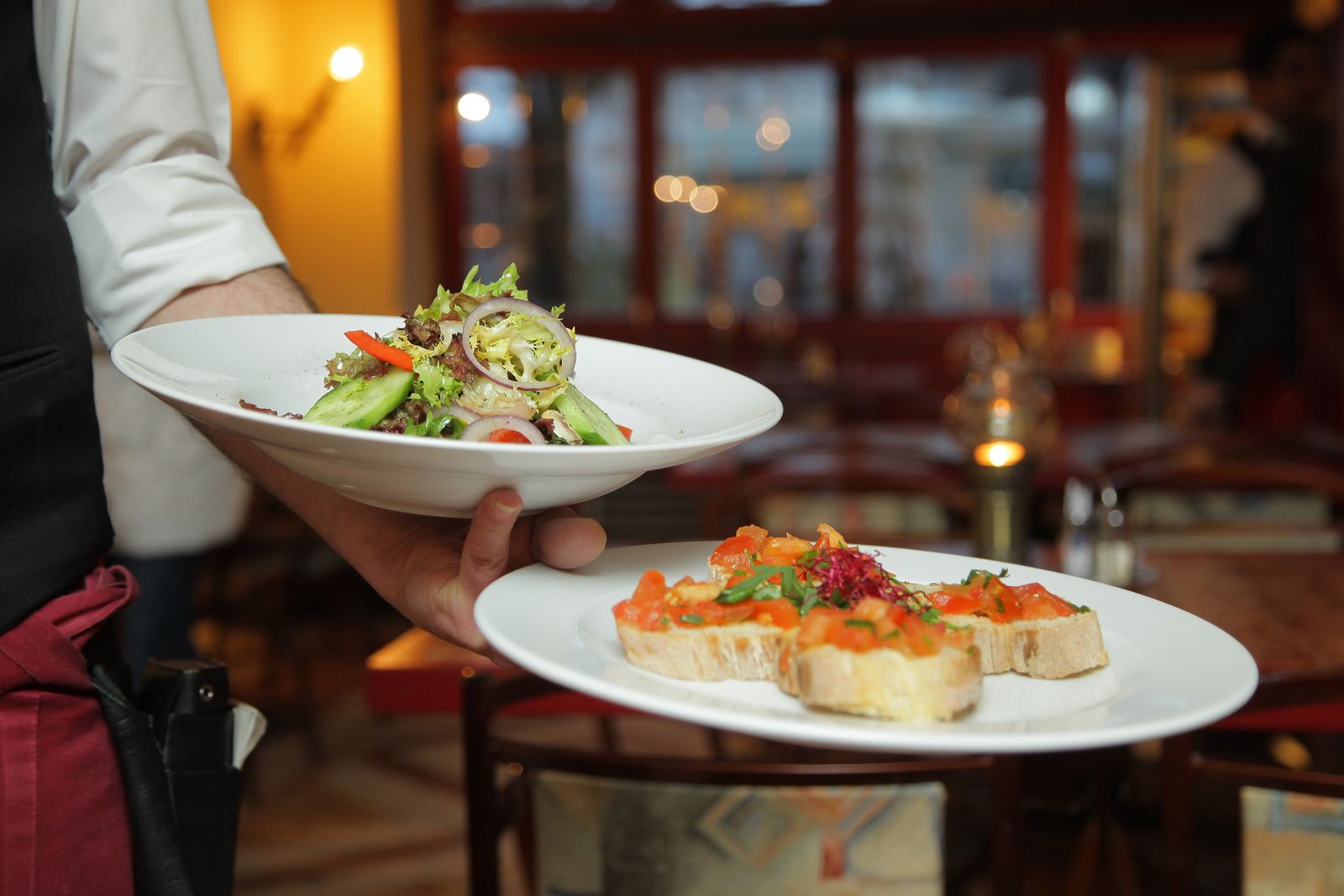
Formal meals proceed in courses: appetizer (entrée — note that entrée means starter in French, not main dish), main course (plat), cheese (fromage), dessert (dessert), coffee. Restaurants may offer formulas (formules) with two or three courses at set prices. The plat du jour is the daily special — often the best value and most seasonal choice.
Not every meal includes all courses. Lunch might be starter plus main; dinner at home might skip cheese. But knowing the sequence helps when reading menus and when a server asks whether you want cheese before dessert.
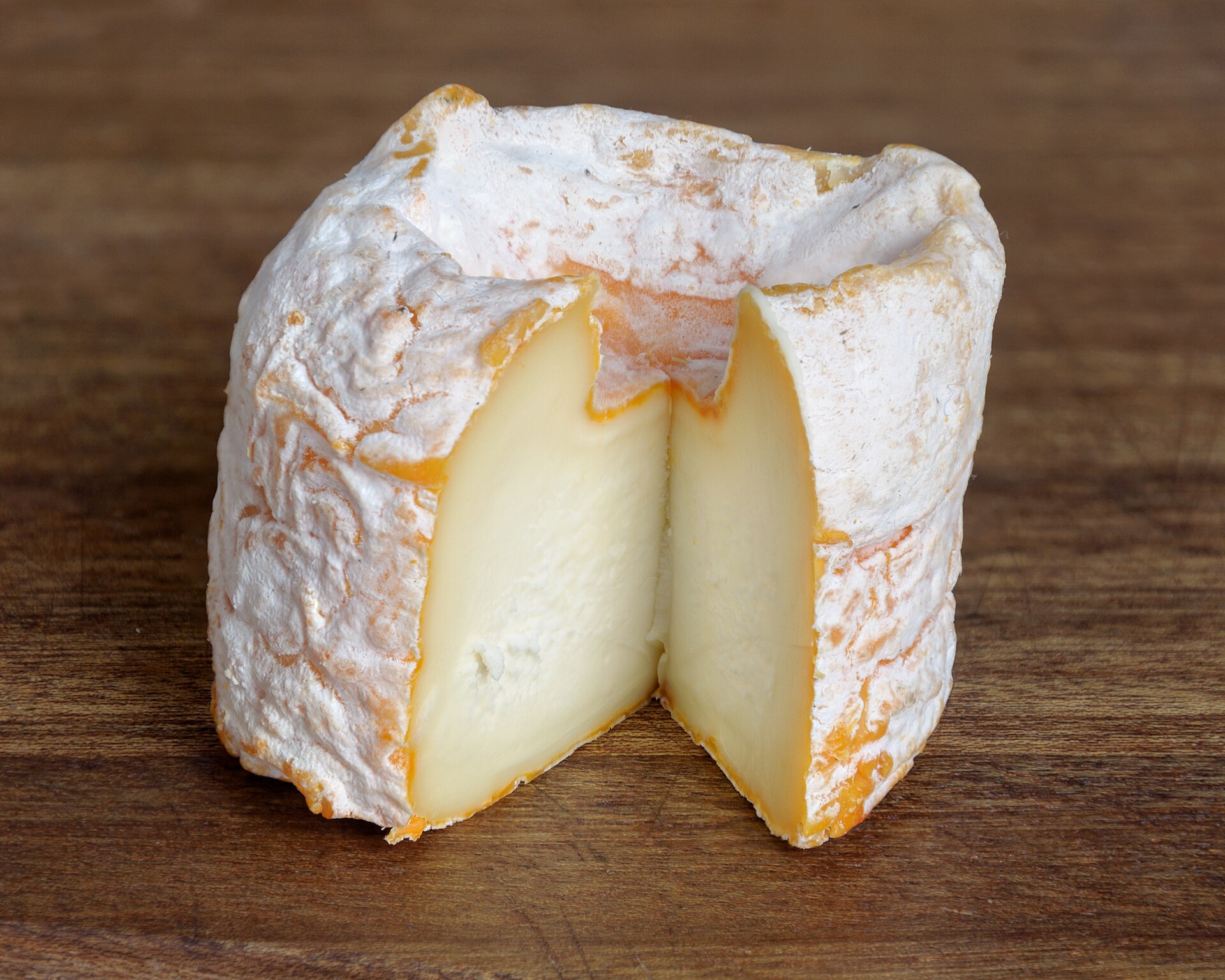
Our cheese guide covers the fromage course in detail. Bread sits on the table throughout but is not treated as a course — see our notes on bread culture for how it is used.
Restaurant Behavior
Greet staff when entering — a simple bonjour matters. In sit-down restaurants, wait to be seated unless the room is clearly casual self-seating. Water is not automatically refilled; ask for a carafe (une carafe d'eau) if you want tap water at no charge.
Tipping: service is included by law (service compris) in restaurant prices. Leaving a few euros extra for good service is appreciated but not obligatory at the percentages common in the United States. Round up or leave small change on casual meals; five to ten percent for exceptional service at fine restaurants.
Requesting modifications to dishes is less common than in some countries. Asking about ingredients is fine; demanding extensive substitutions may not be accommodated, especially in traditional kitchens.
Table Manners
Keep both hands visible above the table — wrists on the edge, not lap-hidden. Fork tines stay down when cutting; the knife stays in the right hand for cutting, fork in the left for guiding food. Americans switching fork to the right hand after cutting mark themselves as foreign, though no one will comment.
Break bread by hand rather than biting from the loaf. Place used utensils on the plate, not the tablecloth. Finish everything if possible — leaving food suggests dissatisfaction, though dietary restrictions are understood when stated clearly.
Wine glasses are filled partially; the bottle stays on the table for refills during the meal. Declining wine is normal — drink water, ask for a glass of wine if others share a bottle, or request a half-bottle (demi-bouteille) if available.
Café vs. Restaurant
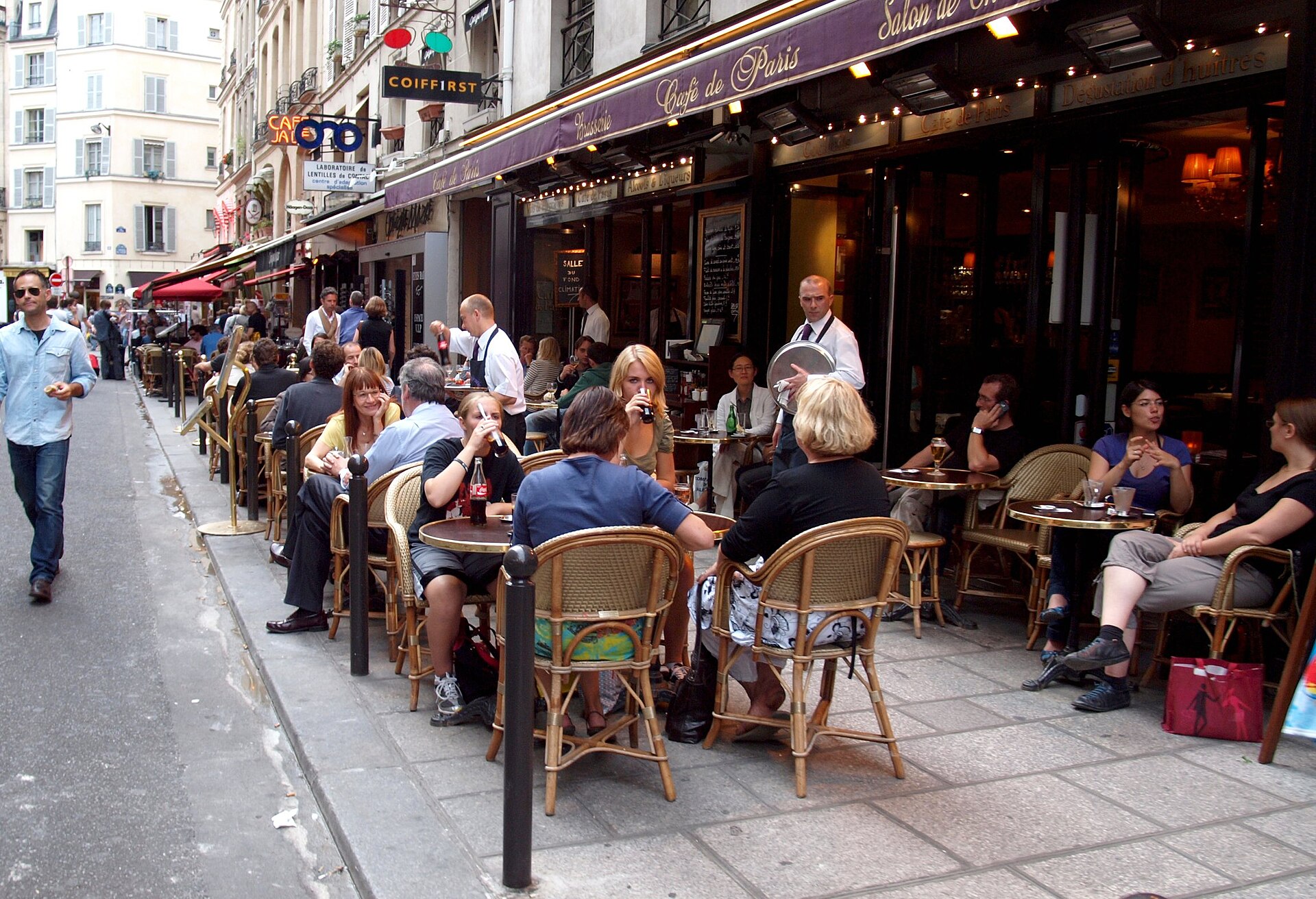
Cafés operate under different rhythms than restaurants. Coffee can be ordered anytime; full meals may not be available outside kitchen hours. Terrace seating costs more but buys time — explained in our café culture guide. Do not expect café service standards at a formal restaurant, or vice versa.
Picnics assembled from markets follow none of these rules and remain one of the best ways to eat well in Provence, along rivers in the Loire, or in Paris parks. Customs matter most when you sit at a table someone else sets.