France produces hundreds of named cheeses, a fact that intimidates visitors standing before a fromagerie counter lined with wheels, logs, and soft rounds at various stages of ripeness. The number is less important than the underlying families and the logic of how cheese is sold. Learn those, and the counter becomes navigable rather than overwhelming.
Cheese Families by Milk and Texture
Most French cheeses come from cow, goat, or sheep milk — sometimes blended. Cow's milk cheeses include Comté, Camembert, and Bleu d'Auvergne. Goat cheeses (chèvre) range from fresh and mild to aged and assertive; the Loire Valley is particularly associated with goat production. Sheep cheeses (brebis) appear strongly in the Pyrenees and Basque country — Ossau-Iraty is a well-known example.
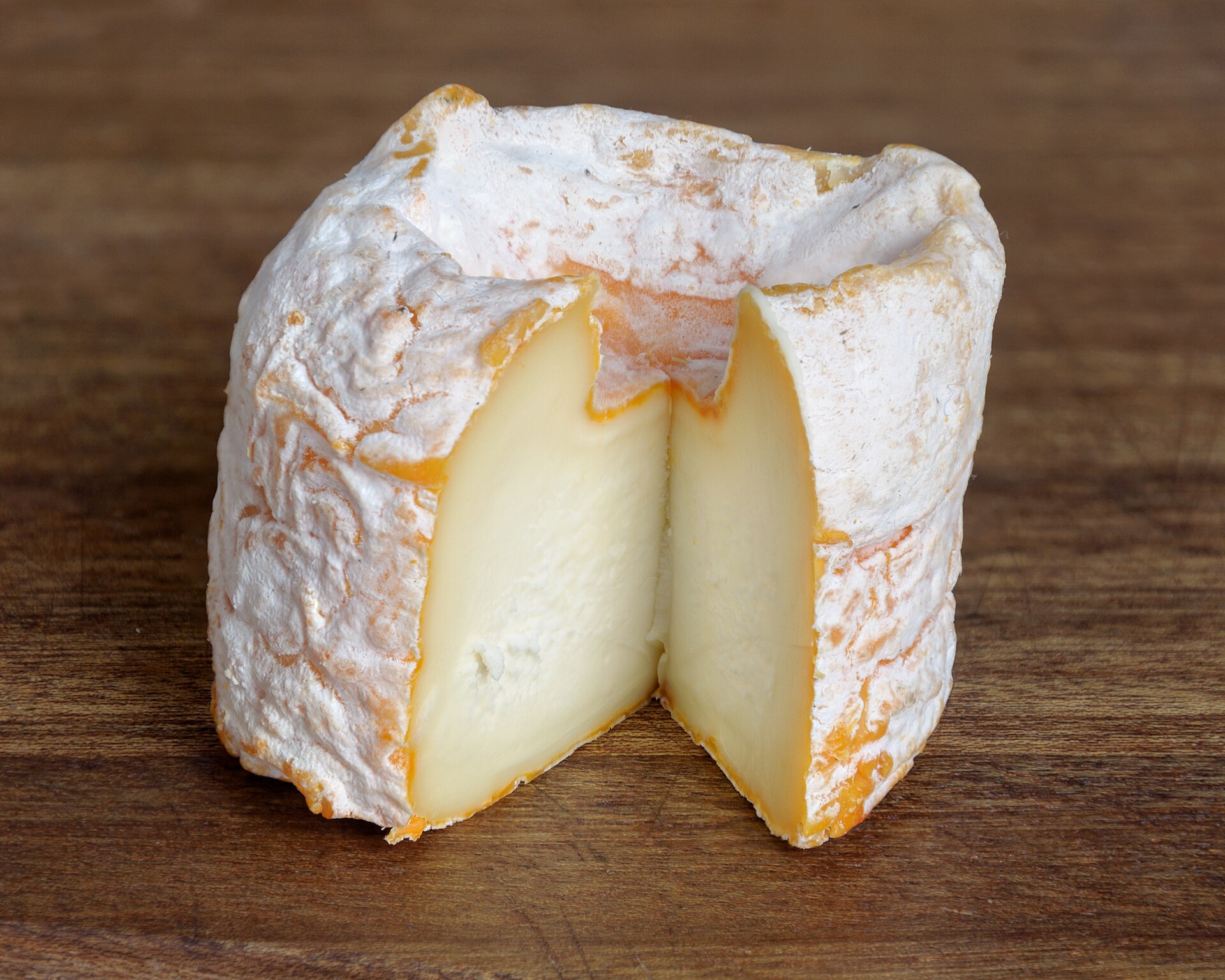
Texture provides another axis. Fresh cheeses like fromage blanc are spoonable and mild. Soft-ripened cheeses (Brie, Camembert) develop creamy interiors under white rinds. Semi-hard cheeses (Comté, Tomme) slice cleanly and age for months. Blue cheeses carry Penicillium cultures that create veined interiors and sharp flavor. Hard grating cheeses (Parmesan-style equivalents such as aged Gruyère) finish pasta and soups.
Regional Anchors Worth Knowing
You do not need encyclopedic knowledge, but a handful of regional anchors helps. Normandy gives you Camembert and Livarot. The Alps produce Comté, Beaufort, and Reblochon. Loire goat cheeses — Crottin de Chavignol, Sainte-Maure — reward travelers in that region. Roquefort comes from the caverns of Aveyron in the south. Alsace and the east lean toward Muenster and washed-rind cheeses with strong aroma.
AOP labels, discussed in our piece on regional cuisine, protect many of these names. If a cheese carries AOP status, its production is tied to geography and method. That guarantees authenticity and gives you a starting point for tasting the place you are visiting.
Shopping at a Fromagerie
Fromageries specialize in cheese; supermarket counters offer convenience but less guidance. At a dedicated shop, staff expect questions. Tell them how many people you serve, when you plan to eat the cheese, and whether you prefer mild or strong flavor. They will slice portions accordingly and suggest ripeness — a Camembert meant for tomorrow differs from one ready tonight.
You can buy by weight. One hundred to one hundred fifty grams per cheese for two people tasting several varieties works well. Ask for a mixed plate (assortiment) if language fails — most sellers understand the gesture toward variety.
Storage matters for travel. Soft cheeses suffer in hot cars. Insulated bags help on day trips. If staying in accommodation with a refrigerator, buy closer to when you will eat. Cheese should breathe slightly — plastic wrap suffocates rinds; wax paper or specialty bags work better.
Serving and Eating
Cheese typically arrives after the main course and before dessert in traditional French meals, though modern restaurants sometimes collapse or reorder courses. At home, cheese stands alone with bread and perhaps salad. Fruit — grapes, figs — accompanies rather than replaces cheese.
Cut round cheeses in wedges from center to rind, preserving everyone’s share of interior and crust. Leave rind on unless it is obviously wax or cloth — on many cheeses, rind is part of the flavor. Washed-rind cheeses smell stronger than they taste; hesitant tasters often surprise themselves.
Wine pairing follows preference more than rigid law. White wines suit many goat cheeses; reds work with Comté and Tomme; sweet wines balance blue cheese. Local pairings — cider with Camembert in Normandy — reflect regional habit and usually succeed.
Where to Start Tasting
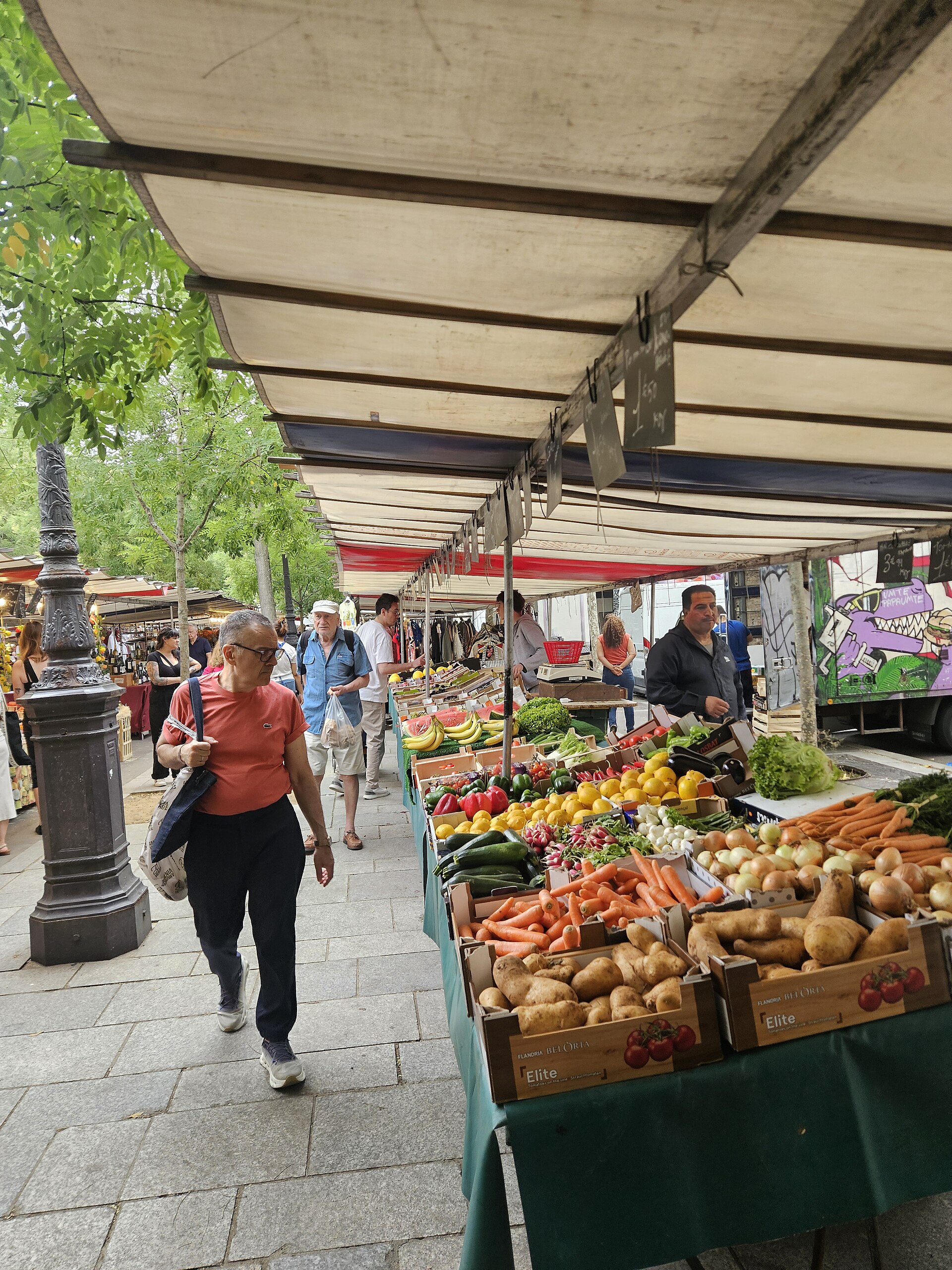
Markets often include cheese vendors with small portions for sale. Restaurants in cheese-producing regions list local varieties on the cheese course. A picnic assembled from a fromagerie, a bakery, and a wine shop teaches more than any checklist of famous names.
Start with three cheeses of different milk types or textures rather than three versions of the same style. Note what you respond to — creamy, nutty, salty, pungent — and ask for similar recommendations. French cheese culture rewards curiosity more than expertise.