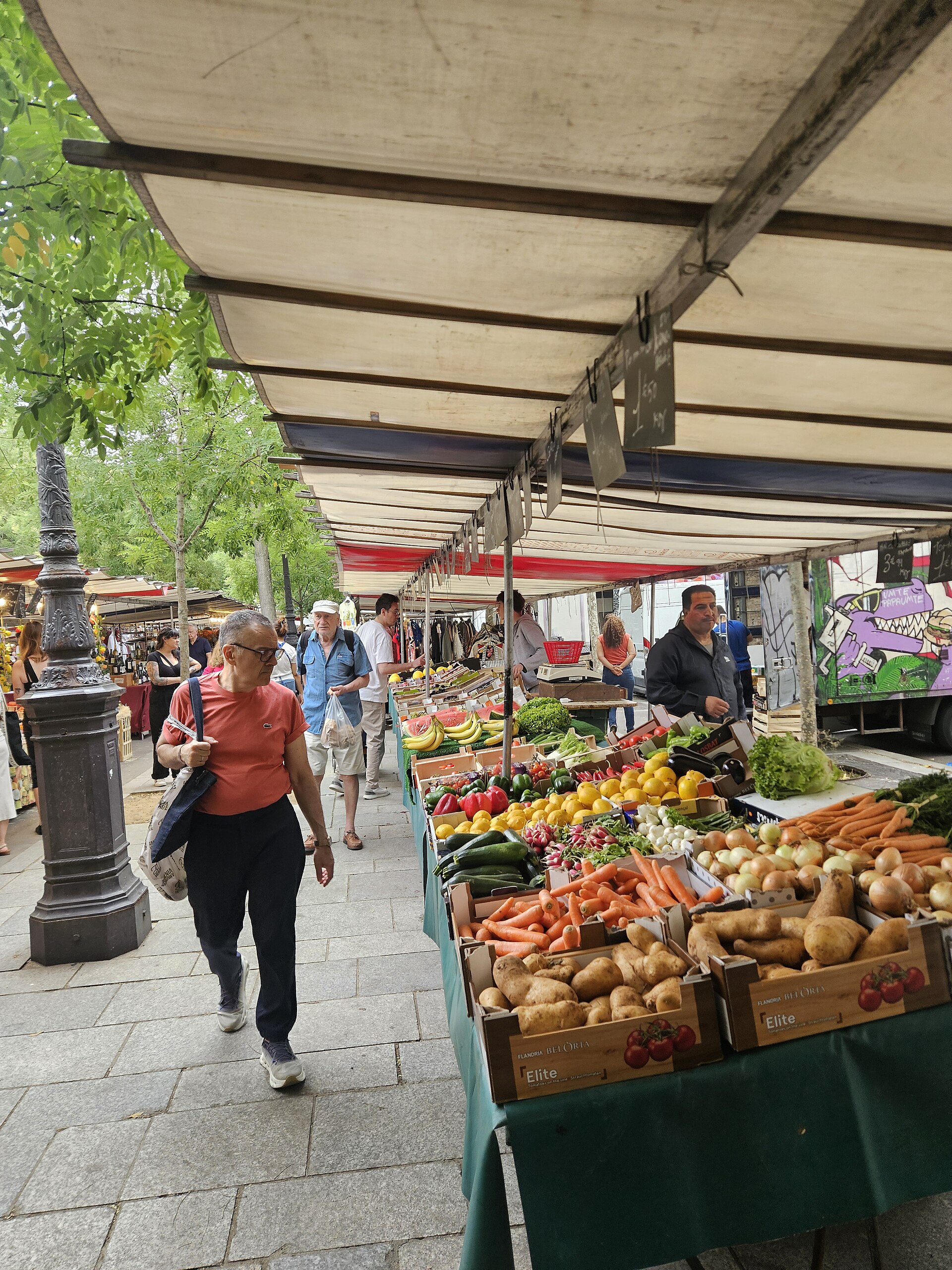
The outdoor market remains one of the most reliable ways to understand a French town. Not the souvenir stalls near major monuments, but the weekly marché where residents buy lettuce, discuss the weather with a cheesemonger, and queue patiently for the fish vendor who always runs out by eleven. These markets follow rhythms that repeat across the country with local variations worth learning before you arrive.
Types of Markets
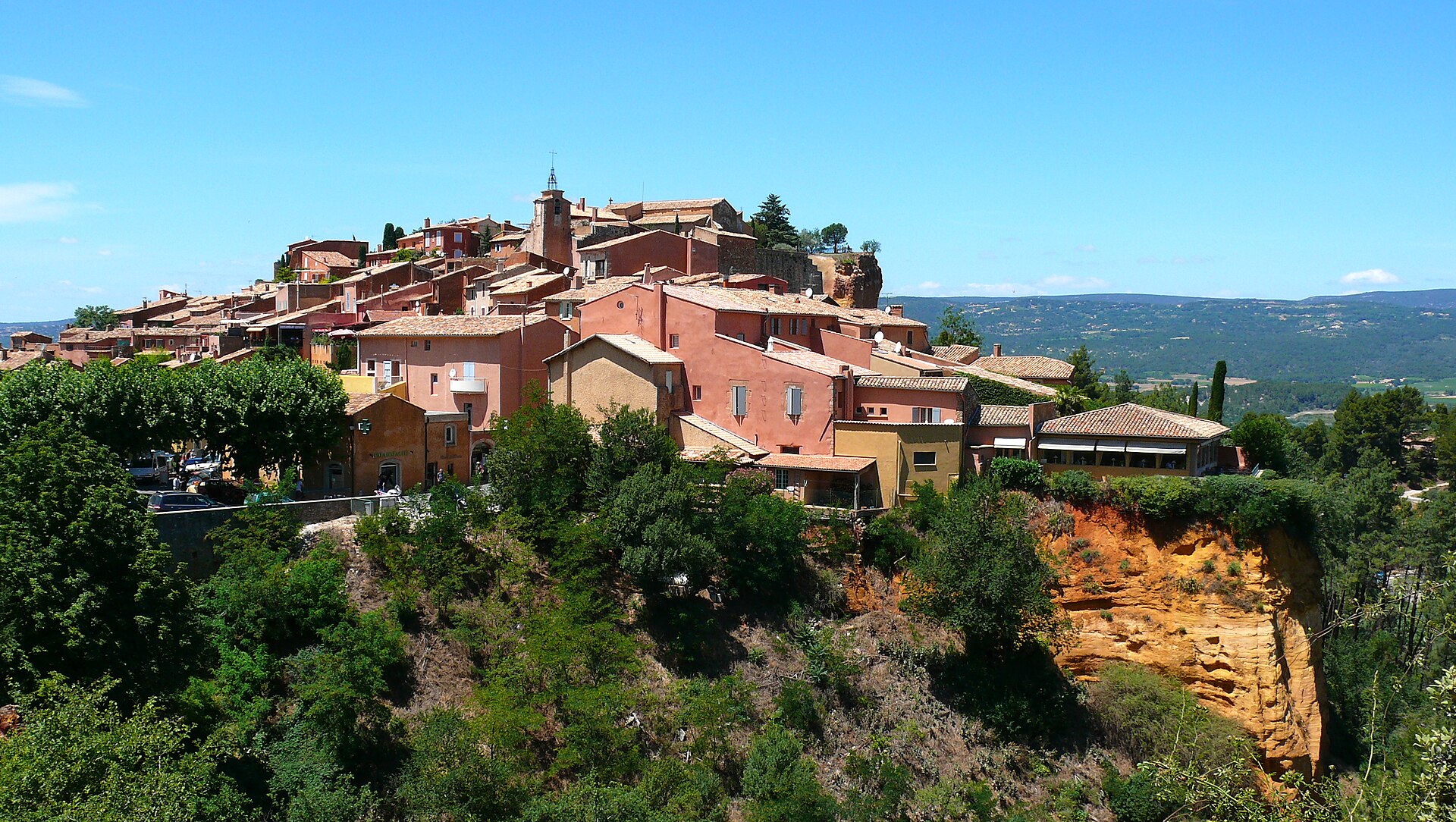
Most towns hold a marché once or twice weekly, often on the same day for decades — Wednesday and Saturday mornings are common combinations. Larger cities may have daily markets in specific neighborhoods. Provence is known for daily markets in smaller towns during summer; in Normandy, markets lean toward dairy, apples, and seafood reflecting Atlantic and Channel coast access.
Some markets are primarily food; others mix clothing, kitchen tools, and household goods. The distinction matters for timing. Food markets peak early. Arrive before 9 a.m. if you want the widest selection and shorter lines. By noon, produce may look tired and vendors begin packing up regardless of posted closing times.
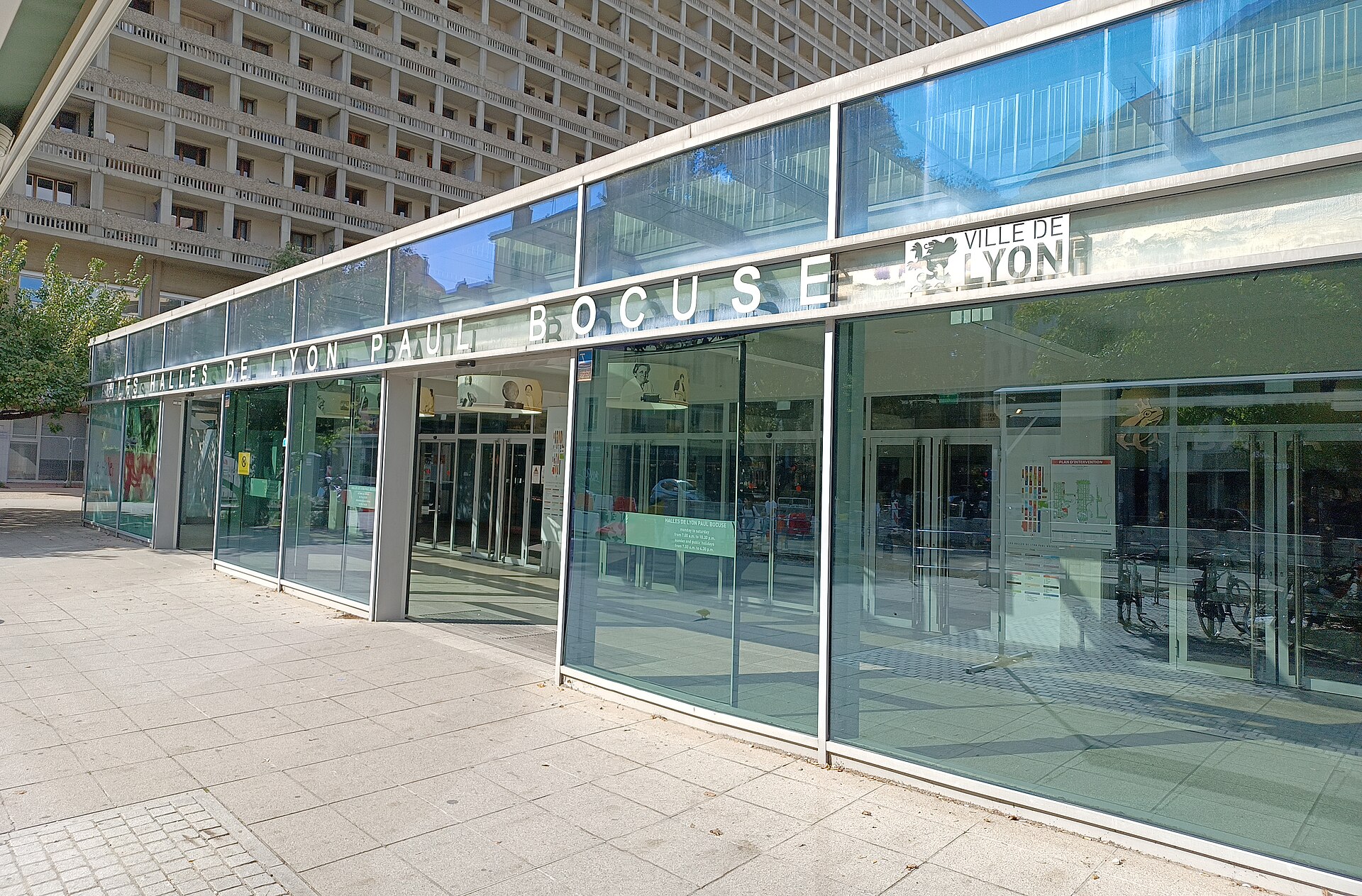
Covered markets (halles) operate on fixed schedules year-round and shelter permanent stalls. Les Halles de Lyon-Paul Bocuse is the famous example, but nearly every city of size has a municipal covered market serving residents who shop daily rather than weekly.
What to Buy — and What to Skip
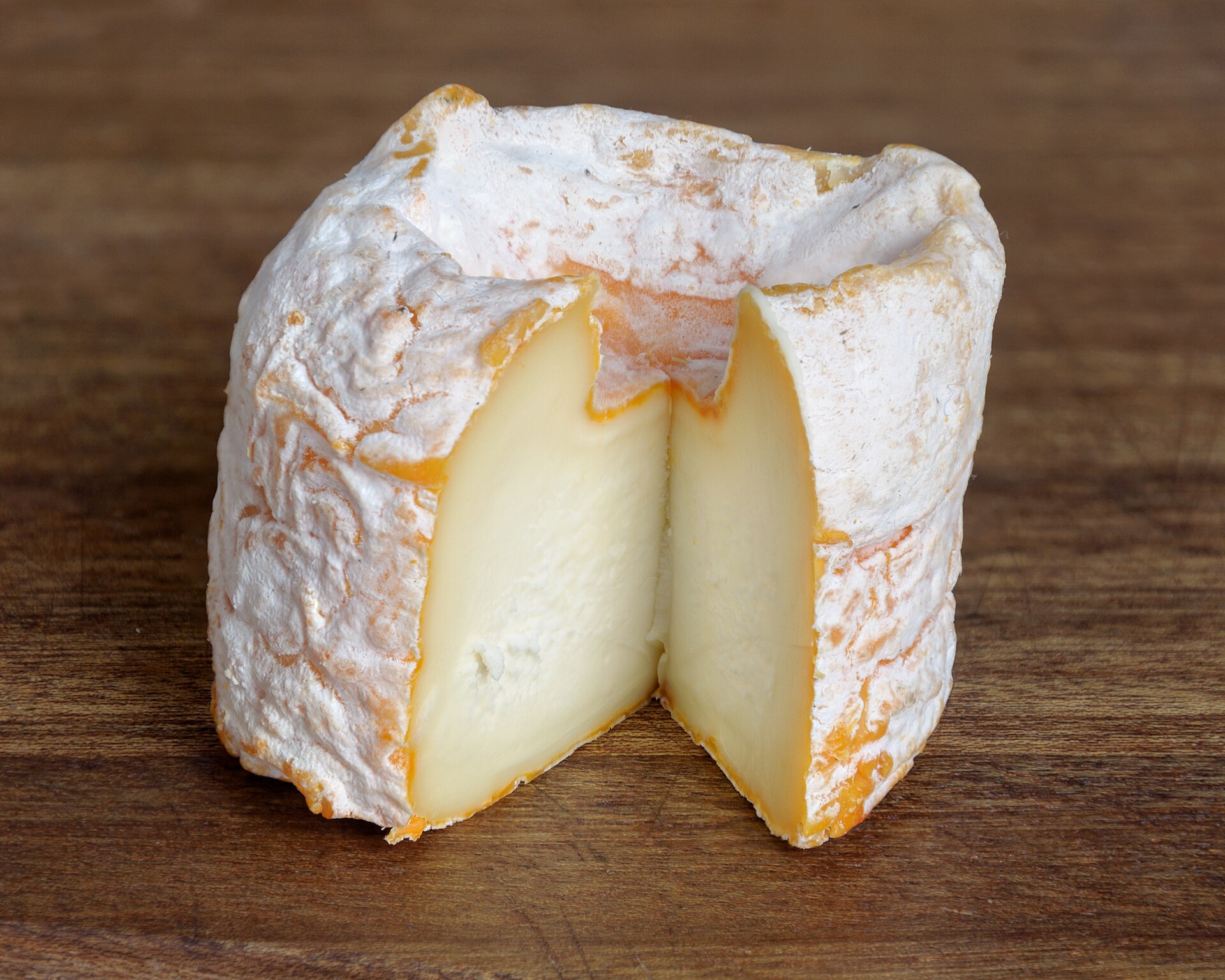
Markets excel at seasonal produce, regional cheese, cured meats, fresh fish, flowers, and bread brought from nearby bakeries. In Provence, look for olives, tapenade, and melons in summer. In Alsace, markets reflect Germanic influence — sauerkraut ingredients, white wines, and gingerbread near Christmas. Normandy markets feature Camembert, cider, and shellfish depending on the coast.
Be cautious with prepared foods sold for immediate consumption. Quality varies. A rotisserie chicken from a busy stall with local customers is a safer bet than pre-packaged tourist assortments near a cathedral square. If you cannot identify what something is, ask — most vendors appreciate the question even when language is limited.
Markets are not always cheaper than supermarkets. What you pay for is freshness, traceability, and advice. A cheesemonger can slice exactly the ripeness you want. A vegetable seller tells you which tomatoes will ripen by Thursday.
Vendor Etiquette
Do not touch produce uninvited. Point or ask. Queue visibly — cutting the invisible line is taken seriously. At busy cheese or fish stalls, wait to be acknowledged rather than calling out. Many vendors prefer you let them know whether your purchase is for today or later in the week, since ripeness and portion size depend on it.
Bags are not automatic. Bring a tote or expect to pay a small fee for a paper bag. Cash remains common, though card readers appear at more stalls each year. Small denominations help at busy markets where change runs low.
It is acceptable to buy from multiple vendors in one visit. There is no obligation to complete all shopping at a single stall. Regular customers often have preferred sellers for each category — one for bread, another for cheese — and rotate through a familiar circuit.
Markets and Meal Planning
A market visit pairs naturally with slow travel planning. Build a picnic or simple apartment dinner from what you find: baguette from the baker at the market edge, a wedge of Tomme, cherries in season, a bottle of local wine from a caviste nearby. Many villages lack restaurants open every evening; a market morning followed by a self-made dinner is not a compromise but how residents eat part of the week.
Restaurant chefs shop at markets too. Early morning in larger cities, you may see kitchen staff in aprons selecting produce before the public rush. That overlap between professional and domestic shopping keeps quality honest — vendors reputations depend on repeat business, not one-time tourist transactions.
Seasonal and Regional Differences
Market character shifts with the calendar. Spring brings asparagus, strawberries, and lamb. Summer overwhelms with stone fruit and tomatoes. Autumn is mushrooms, game, and apples. Winter narrows selection but highlights root vegetables, citrus from the south, and preserved goods.
Tourist seasons inflate crowds in places like Provence and the Loire Valley. Visiting in shoulder seasons — May or September — often yields a more authentic market experience with locals still outnumbering visitors. Our guide to seasonal travel across France covers timing in more detail.
Understanding markets connects directly to regional cuisine: what appears on stalls explains what appears on plates in local restaurants. The market is the visible supply chain for French cooking at home.