France changes character by season more than some travelers anticipate. A village busy with market stalls in July may feel deserted in February. Lavender fields bloom on a six-week schedule, not year-round. Understanding seasonal patterns helps you match destinations to timing — and avoid arriving when the thing you came to see is impossible or closed.
Spring (March to May)
Spring rewards most regions with milder weather and fewer crowds than summer. Markets reopen fully after winter; asparagus, strawberries, and lamb appear on menus. The Loire Valley and Normandy bloom with fruit trees and pasture flowers. Paris terraces reopen gradually as temperatures rise.
Easter brings school holidays and domestic travel — book trains and accommodation early for April weeks. Mountain regions may still hold snow through March; hiking at higher elevation waits until May in the Alps and Pyrenees.
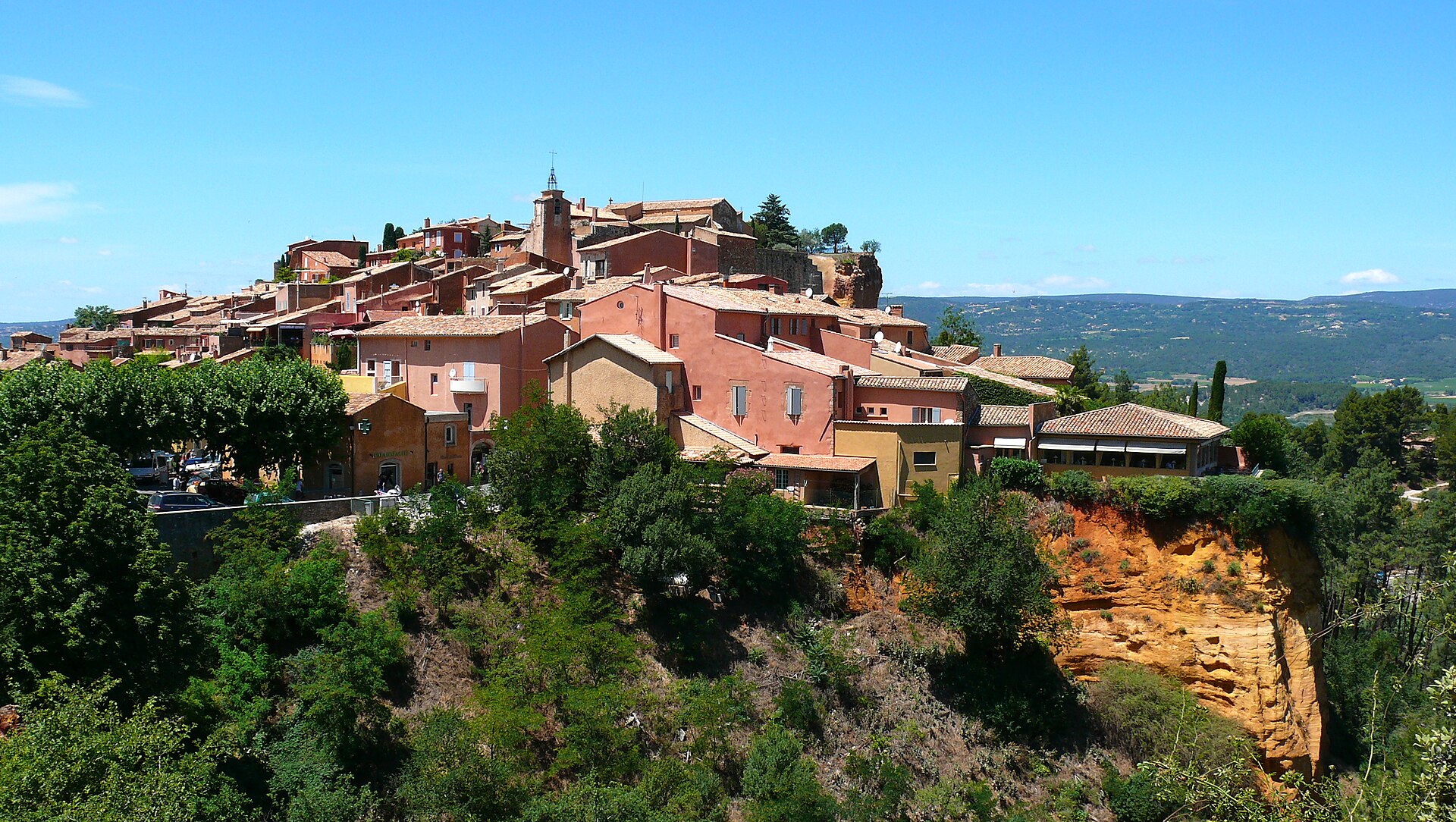
Provence in May offers wildflowers and comfortable warmth before July heat. Lavender is not yet blooming on the plateau — that arrives in late June and July — but the mistake of expecting purple fields in April is common enough to mention explicitly.
Summer (June to August)
Summer concentrates tourism on coasts, Provence, and Paris. Accommodation prices peak. Many French workers take vacation in August; Paris empties somewhat while coastal towns and rural regions fill. Some Paris restaurants and bakeries close for the month; conversely, village markets in the south operate at maximum intensity.
Coastal Riviera and Atlantic beaches draw crowds. Early morning and September overlap offer relief. Festivals — music in Avignon, village fêtes everywhere — punctuate long evenings.
Heat affects planning in the south and southwest. Sightseeing before 11 a.m. and after 5 p.m. preserves energy. Air conditioning is less universal than in North America; confirm if summer comfort matters to you.
Autumn (September to November)
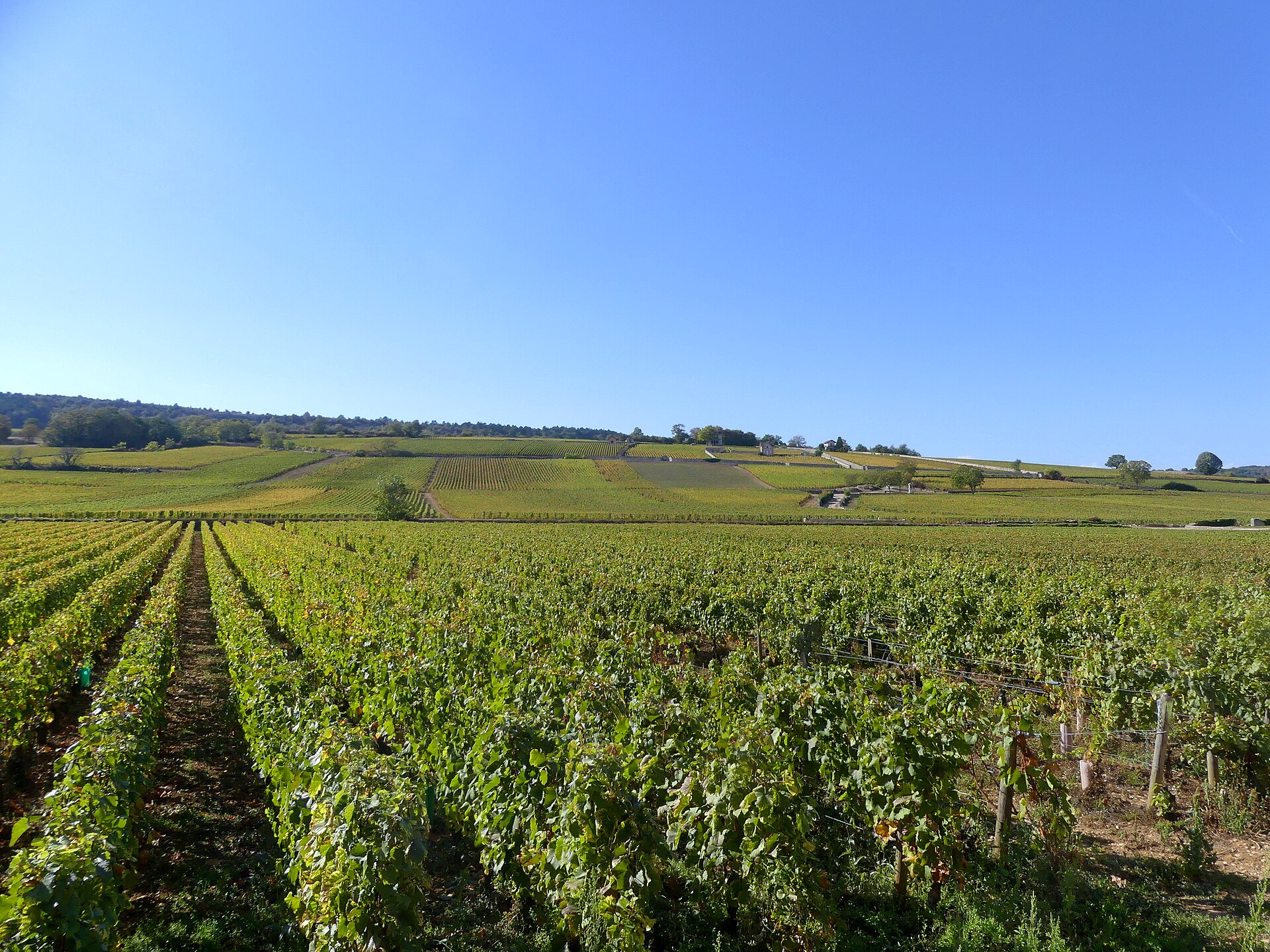
September may be the best single month for combined weather and crowd balance in many regions. Harvest season transforms wine country — Burgundy, Bordeaux, Alsace, the Loire — into working landscapes with grape picking and cellar activity. Markets overflow with mushrooms, game, and apples.
Alsace wine routes quiet after grape harvest but remain accessible. Forests in central France offer mushroom foraging culture visible at market stalls even if you do not forage yourself. Loire châteaux gardens take autumn color.
November turns gray and rainy in northern regions. Daylight shortens. Museums and indoor culture suit the calendar. Restaurant season in cities remains active.
Winter (December to February)
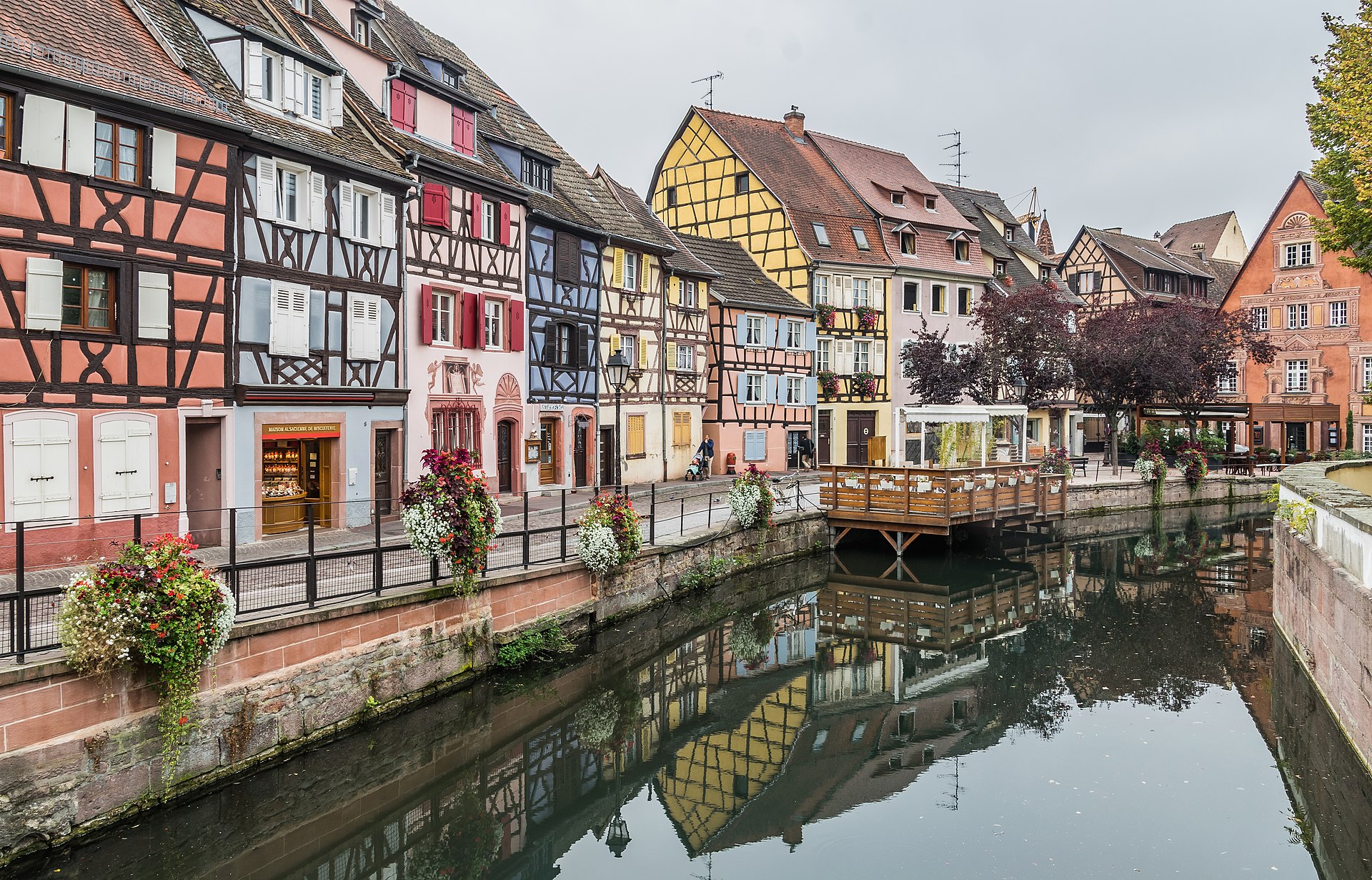
Winter divides into holiday season and the quiet months afterward. Christmas markets in Alsace, Strasbourg prominently, draw visitors from late November through December. Alpine ski season peaks in January and February in the French Alps and Pyrenees.
January and February are the slowest tourism months outside ski areas. Many rural hotels and restaurants reduce hours. Coastal towns in Normandy and Brittany feel windswept and honest — good for walking if you accept short days and weather variability.
Paris indoors — museums, concerts, cafés — works year-round. Winter sales (soldes) in January attract shoppers. Our guide to Paris beyond classic sights applies regardless of season.
Regional Summary
Provence: Best April–June and September; July–August hot and crowded. Lavender late June through July on the Valensole plateau.
Normandy: Spring and early autumn for comfortable walking; D-Day sites accessible year-round.
Alsace: December for Christmas markets; spring and autumn for wine and hiking without summer heat.
Loire Valley: April–October for gardens and cycling; châteaux open year-round with shorter winter hours.
Pair seasonal choice with slow travel planning — staying long enough to catch a market day and a weather shift matters more than hitting a single perfect week. Our regional overview helps narrow which area fits your calendar.
School Holidays and Domestic Crowds
French school holidays (vacances scolaires) divide the country into zones that stagger breaks to spread tourism pressure. Winter ski weeks, spring break, and summer holidays shift domestic travel patterns. Coastal and mountain areas fill when Paris and Lyon empty. Checking holiday calendars before booking helps explain sudden price spikes or availability gaps that seem unrelated to foreign tourism.
Public holidays (jours fériés) — especially May, when several fall in succession — close businesses and clog roads when extended weekends (ponts) encourage short domestic trips. Museums may remain open; restaurants and shops often do not. Plan meals and shopping accordingly.