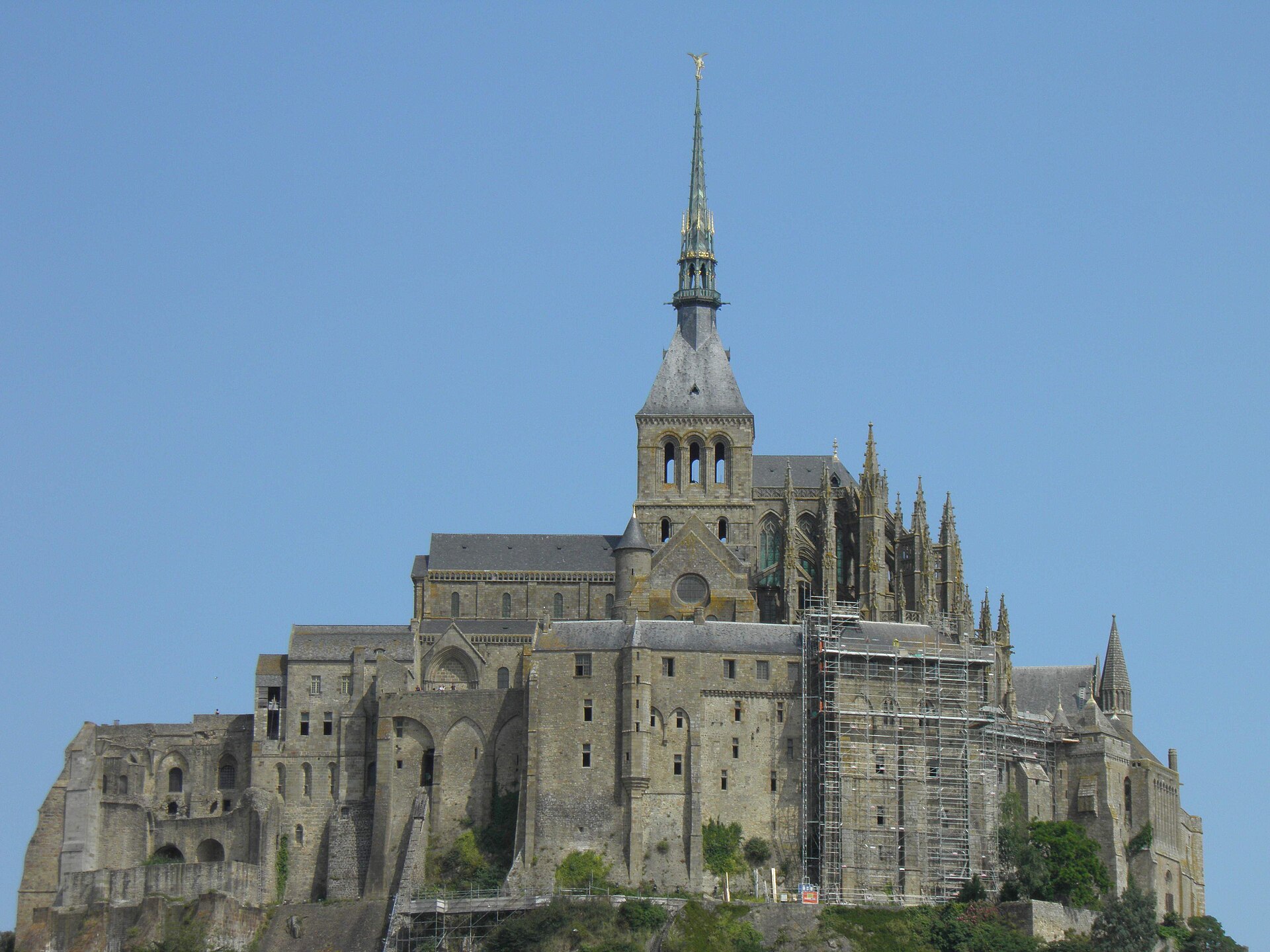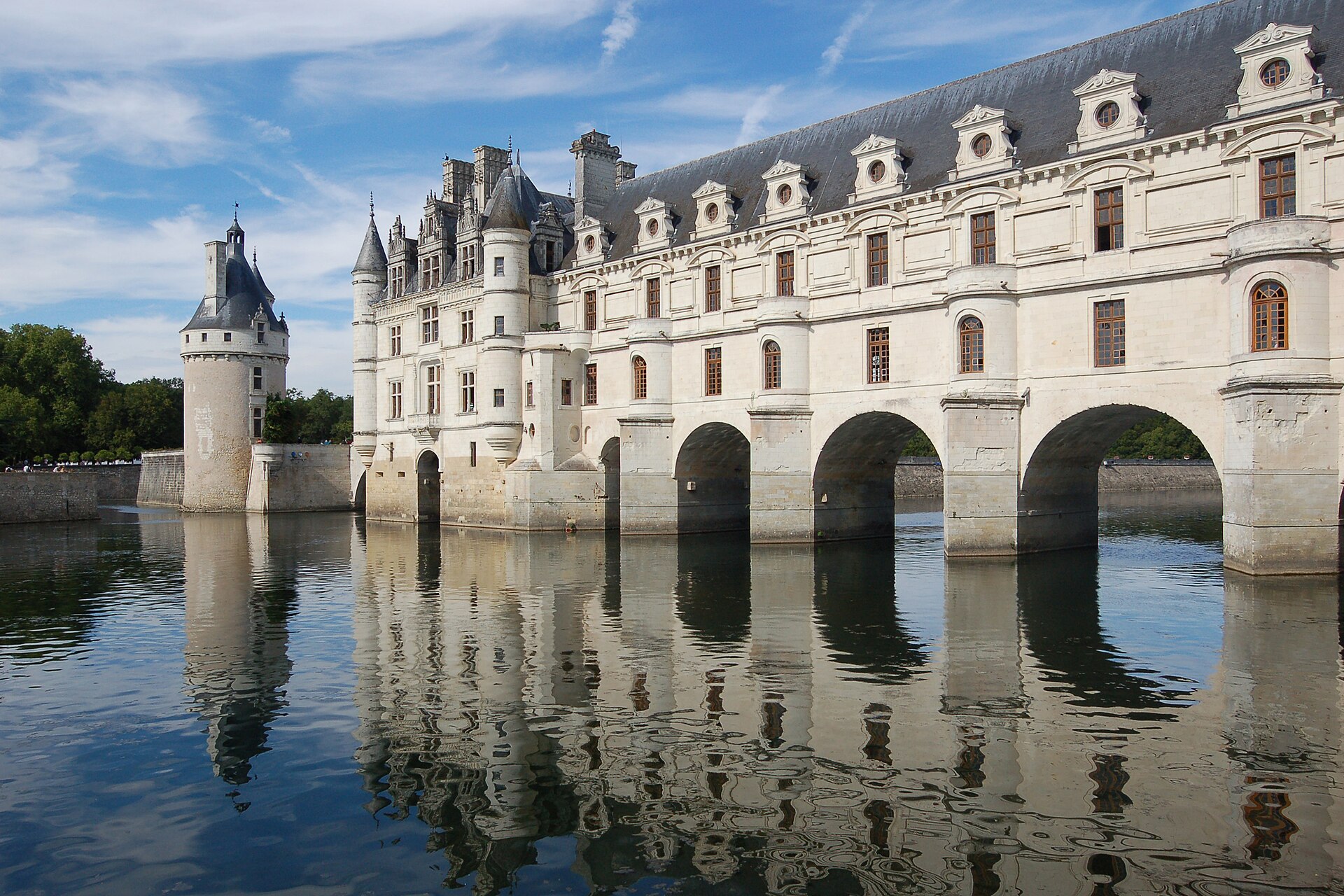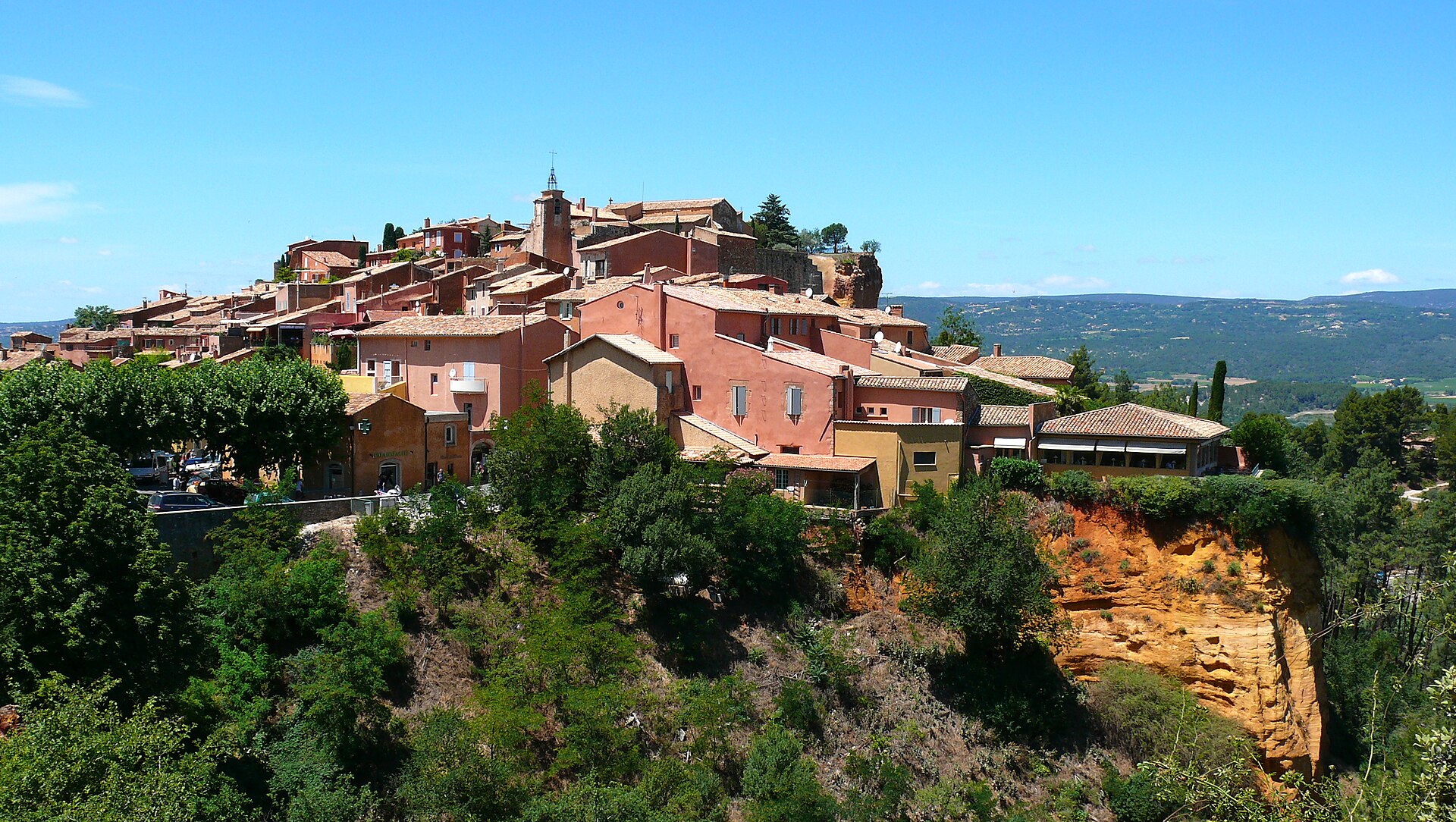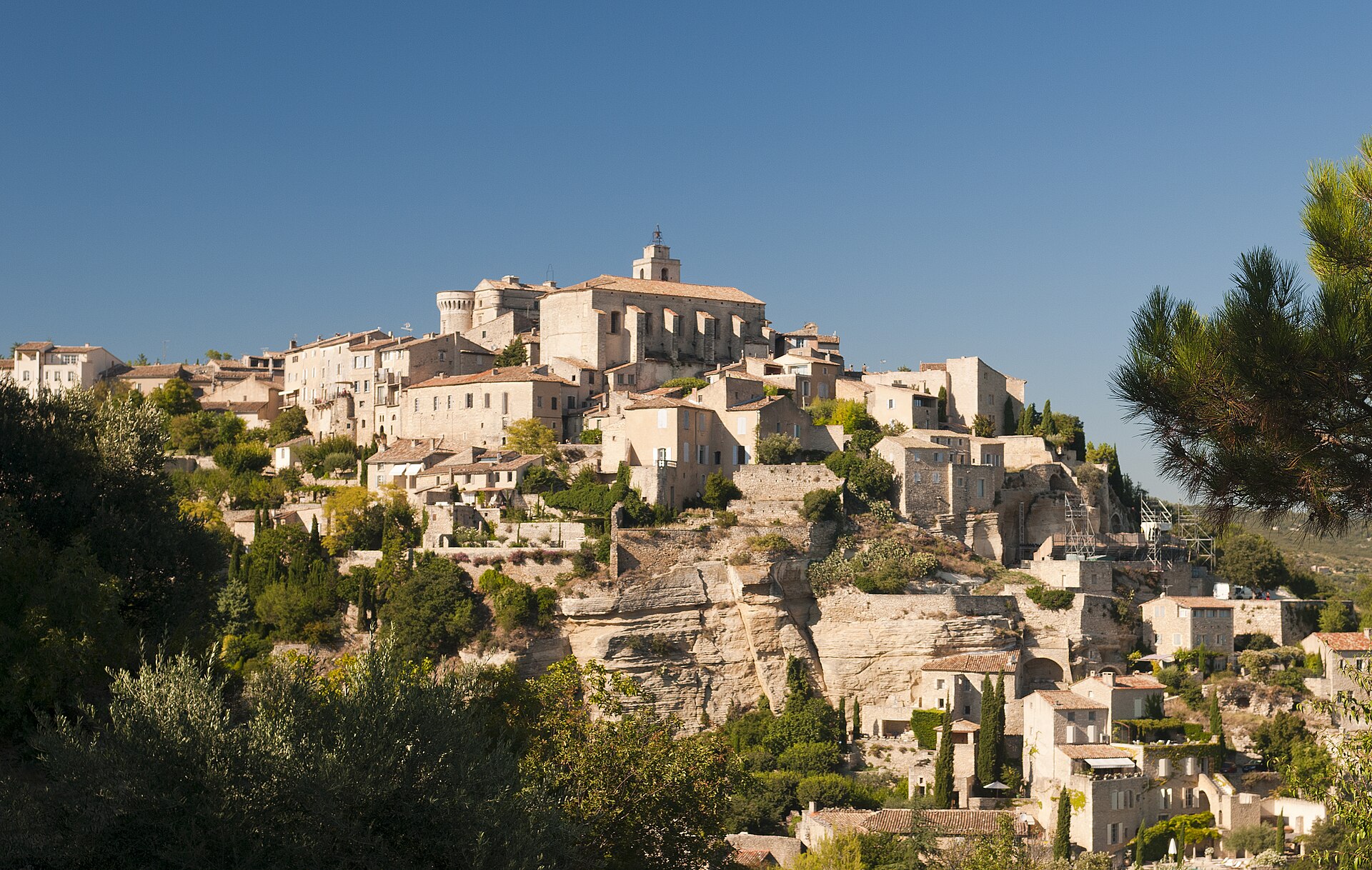
Slow travel is not a brand or a required pace — it is a response to a common failure mode. Visitors attempt to see Paris, the Loire châteaux, Provence, and the D-Day beaches in ten days, then leave exhausted with a blurred memory of train platforms. Slow travel means accepting that you will not see everything and choosing instead to understand one or two places adequately.
Reduce Geography
France is larger than it appears on a map folded in a guidebook. Driving from Paris to Provence consumes a full day if you stop at all. TGV connections help, but each move costs hours of packing, checkout, navigation, and check-in. A week in one region teaches more than a week crossing four.
For a first trip, our first-time guide recommends pairing a city with a nearby region rather than spanning the country. Paris plus Normandy works. Paris plus Provence requires accepting that travel days replace exploration days.
Stay Longer in One Base
Rent an apartment or stay at a small hotel in a town with a market, bakery, and train or bus connections. Return to the same bed each night. Shop for breakfast. Learn which café serves acceptable coffee and which bench in the square catches afternoon light. These repetitions create familiarity that one-night stops never allow.
Provence, the Loire Valley, and Alsace all suit base-and-radius exploration — day trips outward, evenings in the same kitchen or restaurant where staff recognize you by the third visit.
Build Days Around Rhythms, Not Attractions
Structure days around market mornings, long lunches, afternoon walks, and single museum visits rather than three ticketed attractions daily. Check market schedules before booking — a Tuesday arrival in a town with a Wednesday market gives you something to anticipate and a reason to stay an extra day.
Leave unscheduled hours. The point of slow travel is room for detours — the path behind the church, the wine bar that was not in any article, the conversation with a shopkeeper about local cheese. Overplanning defeats the purpose.
Choose Transport That Matches Pace
Trains connect cities efficiently; our train guide covers booking and station basics. Within a region, mix walking, cycling, and occasional car rental rather than driving everywhere. The Loire à Vélo and canal paths in various regions reward slow movement.
Flights within France rarely save time once airport transfers are counted. Overnight trains exist on some routes but sleep quality varies. Day trains let you watch landscape change — part of the experience rather than lost time.
Eat Locally and Repeatedly
Return to the same bistro twice. Buy cheese from one fromagerie and ask for recommendations the second visit. Learn the name of one wine you liked and find it again. Food anchors memory and routine; our guides to markets, bread, and dining customs support this habit practically.
Avoid restaurants that exist primarily for tourists near major monuments. Walk ten minutes from the center; look for handwritten menus, limited English, and a clientele that includes families and workers on lunch break.
When Slow Travel Is Not the Right Choice
Some trips have fixed constraints — a conference in Lyon, a family wedding in Toulouse. Slow travel principles still help: add days before or after rather than cramming sightseeing into transit gaps. And some travelers genuinely prefer breadth — sampling many places briefly. That is valid if chosen consciously rather than by default because a guidebook listed everything as essential.
Slow travel in France is mostly subtraction. Remove destinations until the itinerary breathes. What remains will feel less like a performance and more like a visit.
Documenting Without Consuming
Photography is part of modern travel, but constant documentation interrupts presence. Consider one daily photograph worth keeping rather than hundreds forgotten in camera rolls. Notes — a cheese name, a wine label, a street you want to find again — serve memory better than generic façade shots identical to every other visitor's.
Slow travel is not anti-technology. Maps, translation apps, and train booking tools reduce friction. The distinction is whether devices replace experience or support it. An afternoon without notifications, spent reading at a café or walking without destination, fits the approach better than any specific itinerary template.